-
Products Center
- Large Display
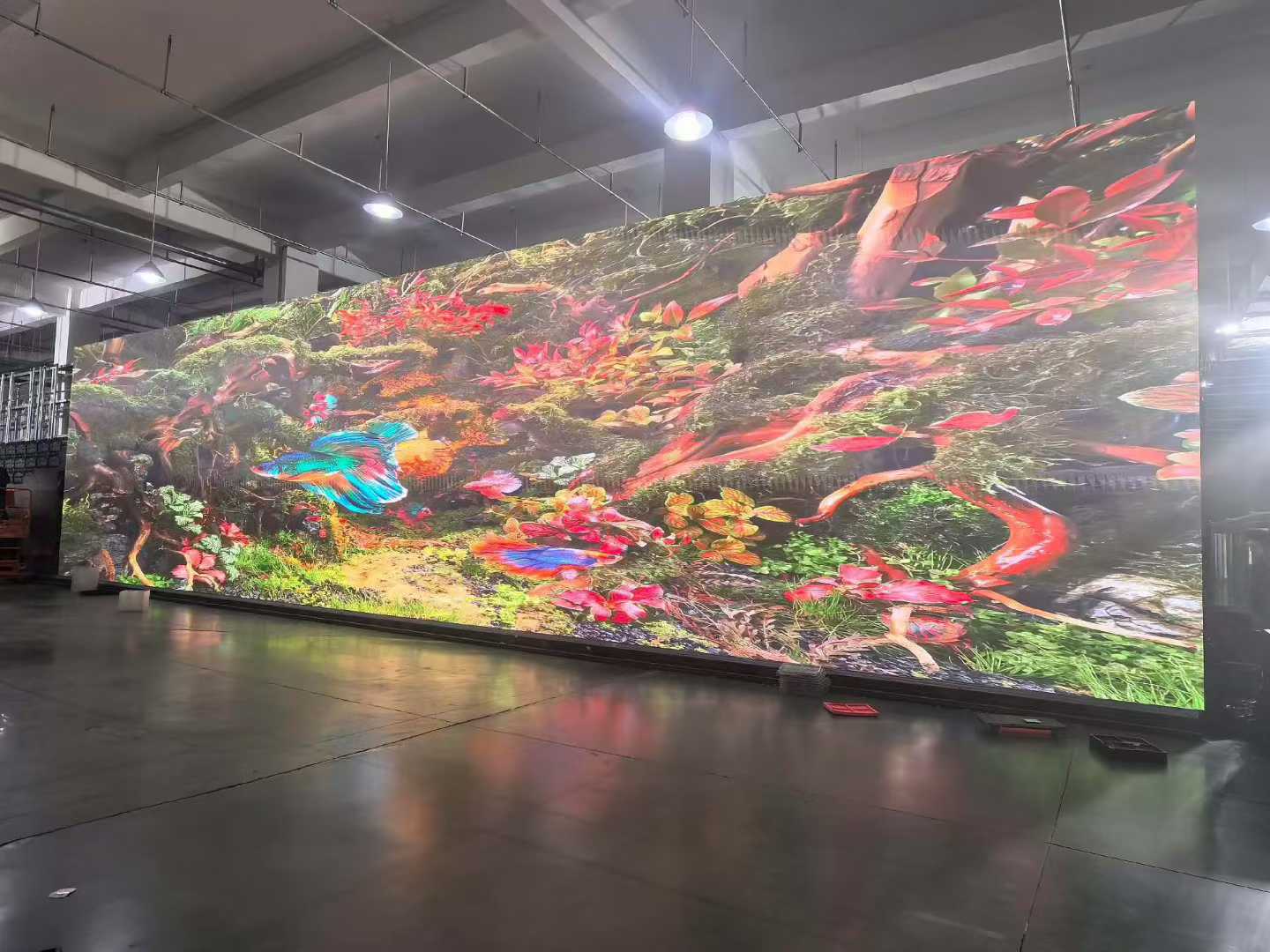
- LED large screen display
- LCD Splice Screen
- OLED Display
- Digital sign advertising machine
- LED conference all-in-one machine
- Meeting tablet
- Touch Query Machine
- Integrated teaching machine
- More products
-
Industry Scenarios
- Focus areas
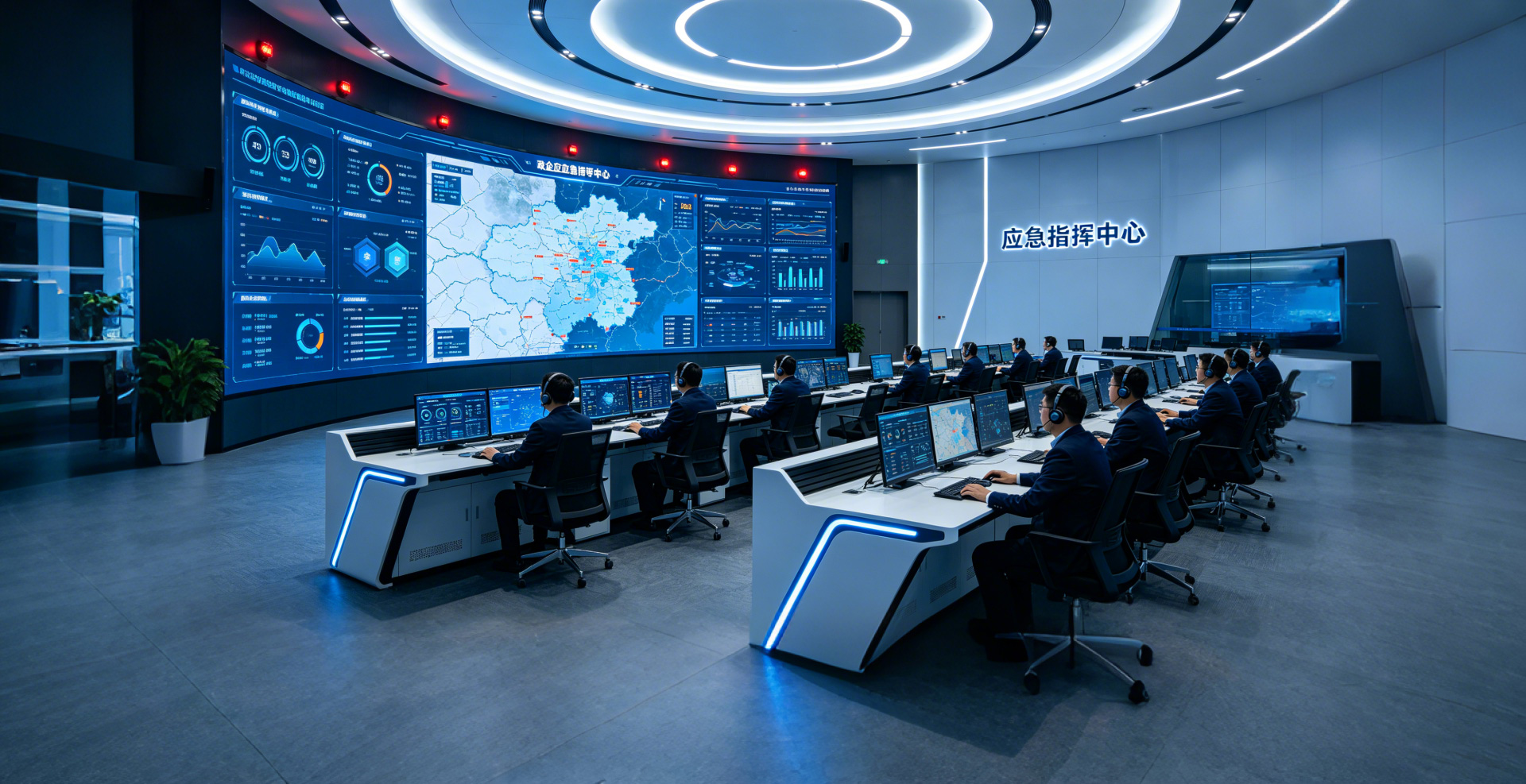
- Command & Dispatch
- Data Visualization
- Conference Collaboration
- Cultural Tourism Vision
- Government Information Release
- Hot Scene
- Night Tour & Light Show
- Hotel & Finance
- Exhibition & Display
- Stage Performance
- Education & Presentation
-
Screen Cases
- Civil Building Materials
- Visual Security
- Large Screen Display
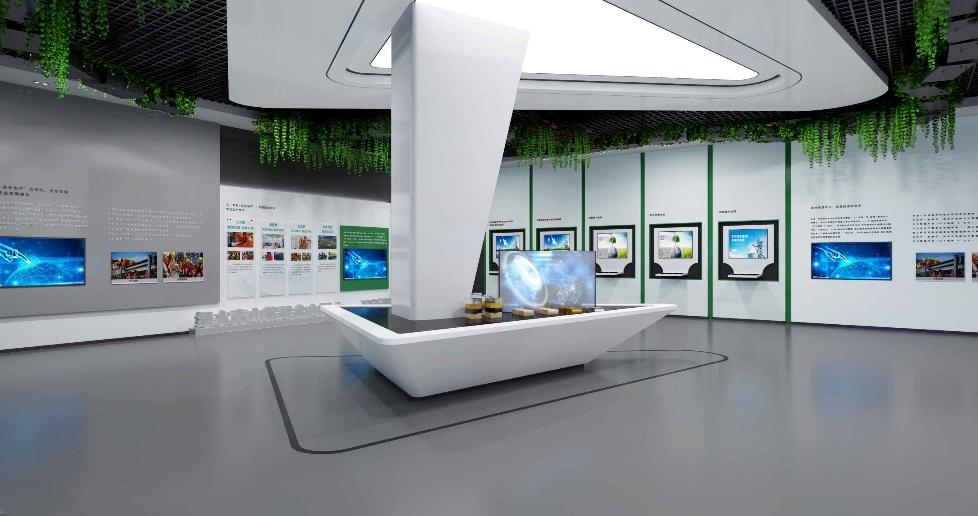
- Museum Exhibition Hall
- Government and Enterprise Exhibition Hall
- Technology Exhibition Hall
- Theme Exhibition Hall
- Industrial Exhibition Hall
- City Exhibition Hall
- School Exhibition Hall
- Red Pavilion
- Cultural and Tourism Exhibition Hall
- Characteristic Town
- Armed Police
- Energy and Chemical
- Metro High-Speed Rail
- Public Security Traffic Police
- Retail Hotel
- Government Agencies
- Media Broadcasting
- Power Telecom
- Education Medical
- Financial Services
- Business Unit
- Meteorological Fire
- Water Resources and Hydropower
- Mining Border Defense
- Oil and Gas Pipelines
- After-sales Guarantee
- Enterprise Growth
- Stonbel