In concerts, launches, and night tourism, stage LED display selection determines on-site impact and project reputation. Faced with pixel pitch, refresh rate, and packaging variables, buyers often fixate on price and neglect suitability. Using Stonbel's recent industry honor and real project data from the Strawberry Music Festival national tour and Chengdu Chunxi Road naked-eye 3D screen, this article breaks down stage LED selection logic and pitfalls, offering a practical checklist for contractors, rental firms, and end users.
Award Event
From a third-party perspective, Stonbel's selection as a top-10 industry player reflects its long-term accumulation in LED display product lines. Its product matrix covers COB fine-pitch displays, LED displays, and LED texture screens. Core parameters of its LED displays include pixel pitch P0.7, refresh rate 7680Hz, grayscale 22bit, and color gamut NTSC≥130%. These metrics hold direct value for high-dynamic stage LED display performance. Stage scenarios are especially sensitive to refresh rate; low refresh rates cause scanning lines during camera capture, affecting live broadcast and transmission quality. A 7680Hz refresh rate combined with 22bit grayscale reduces banding in dark-scene transitions and color gradients, keeping stage LED displays clean even under close-up shots. This is also the technical basis for the 400㎡ SMD P3.91 outdoor rental screen achieving
Award Value
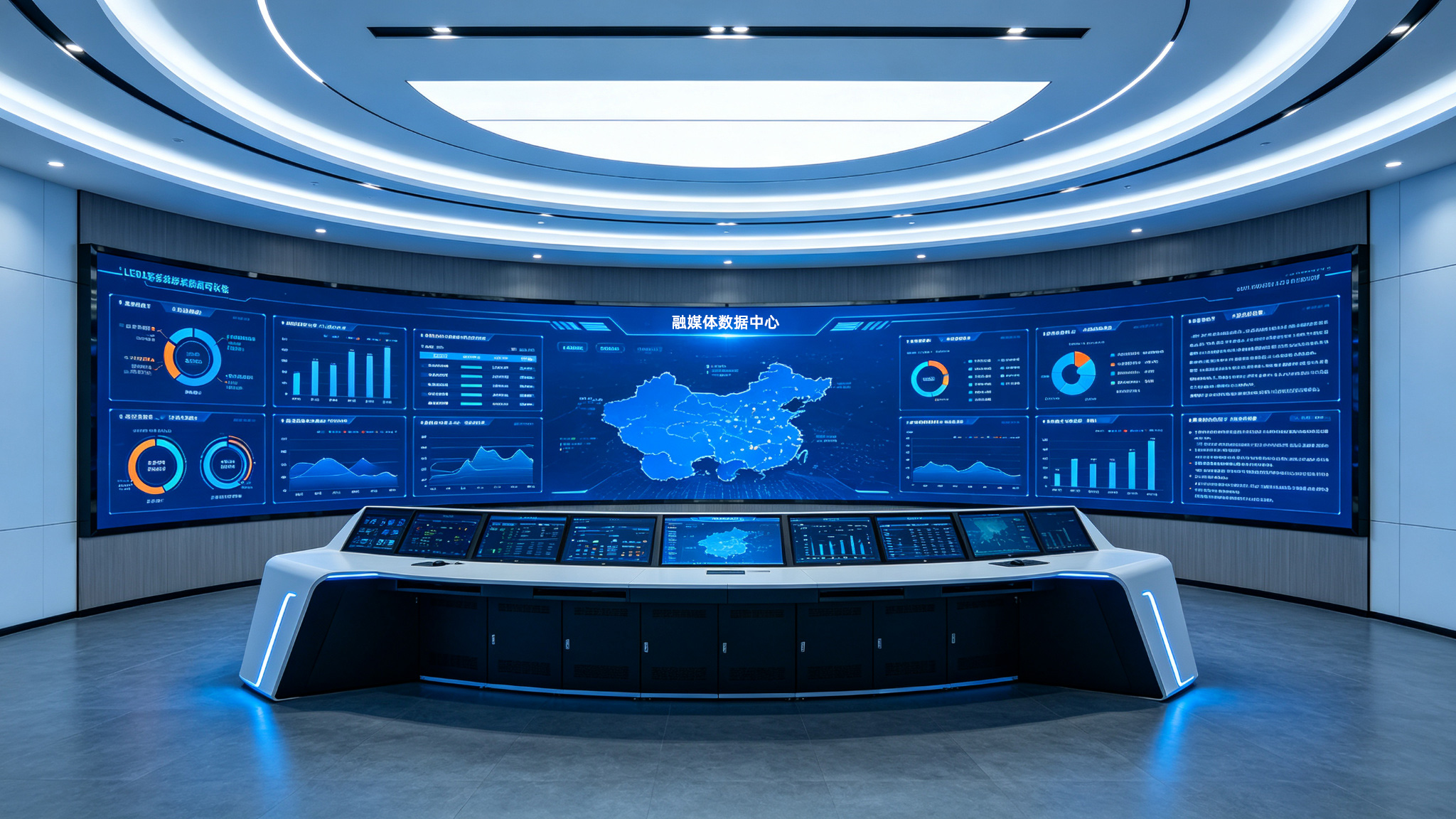
In a stage LED display selection checklist, award value can also be verified through product line completeness. Stonbel's product matrix includes COB fine-pitch displays, LED displays, and LED texture screens. COB fine-pitch displays cover pixel pitch P0.7-P1.8, refresh rate 3840Hz, protection rating IP55, and lifespan ≥100,000 hours. LED displays feature pixel pitch P0.7, refresh rate 7680Hz, grayscale 22bit, and color gamut NTSC≥130%. This multi-line layout means the supplier can offer differentiated specifications based on different viewing distances, angles, and budget ranges for stage LED displays, rather than using a single model for all scenarios. In the Strawberry Music Festival national tour,
Product Technical Highlights
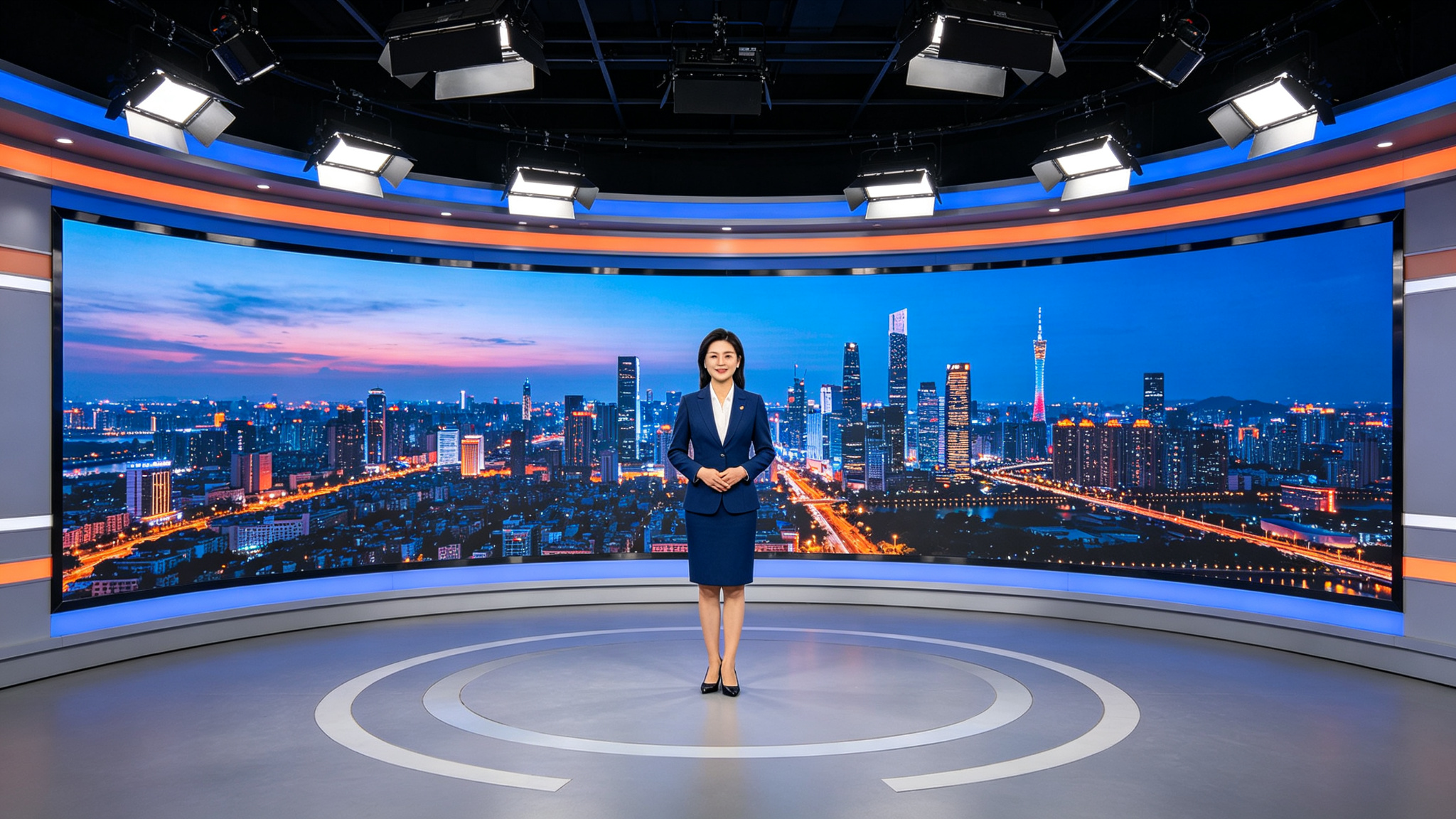
At the parameter level, stage LED display technical highlights are also reflected in the coordination of pixel pitch, refresh rate, grayscale, and color gamut. Stonbel LED displays feature pixel pitch P0.7, refresh rate 7680Hz, grayscale 22bit, color gamut NTSC≥130%, and protection rating IP65. Pixel pitch P0.7 means extremely low pixel granularity at close viewing distances, suitable for stage main screens and close-range interaction areas. The 7680Hz refresh rate with 22bit grayscale maintains smoothness and detail in high-speed motion and dark-scene transitions. NTSC≥130% color gamut coverage enables stage LED displays to reproduce richer color layers, meeting visual requirements for lighting and video fusion in performances. IP65 protection ensures resistance to dust and water spray in outdoor performances. In the Chengdu Chunxi Road commercial area project, a 280㎡
Industry Significance
The industry significance of stage LED displays ultimately comes down to user value and project outcomes. In the Shanghai Planetarium project, Stonbel's custom LED fine-pitch seamless splicing large screen and smart education blackboard formed a digital exhibition system, combining 3D celestial data for high-definition restoration and integrating intelligent central control for multi-hall linkage and visitor touch interaction. Results showed a 5x improvement in 3D starry sky restoration clarity, a 45% increase in average visitor dwell time, a nomination for the Ministry of Culture and Tourism's Smart Museum Innovation Case, and a 20% increase in new young visitors annually. This case demonstrates that stage LED displays in cultural exhibition scenarios can improve information delivery efficiency and visitor experience through seamless splicing and intelligent interaction. For stage LED display buyers, industry significance is also reflected in the standardization
Q1: How to choose pixel pitch for stage LED displays? What scenarios suit P0.7 and P3.91 respectively?
A: Pixel pitch selection mainly depends on viewing distance and image precision requirements. Taking Stonbel LED displays as an example, pixel pitch P0.7 with 7680Hz refresh rate and 22bit grayscale suits close-viewing stage main screens, command centers, or high-end exhibition scenarios, achieving ultra-high-definition display. The 400㎡ SMD P3.91 outdoor rental screen used in the Strawberry Music Festival national tour is better suited for long-distance outdoor performances and tour scenarios, balancing cost and display performance. Generally, the closer the viewing distance, the smaller the pixel pitch needed. When budget is limited and viewing distance is far, consider P2.5 to P3.91 range specifications. Specific selection also requires comprehensive determination based on stage size, camera positions, and broadcast requirements.
Q2: How do outdoor stage LED displays ensure waterproof and dustproof performance? Is IP65 sufficient?
A: Outdoor stage LED display protection ratings should be selected based on environmental conditions. Stonbel LED displays have IP65 protection, handling dust and water spray environments. In scenic area projects, outdoor P3 SMD full-color LED screens used IP66 protection, adapting to mountainous rainy and foggy environments. If the stage is in high-humidity, high-dust, or crowded areas, consider GOB packaging technology, which injects transparent resin on SMD lamp beads and circuit surfaces to achieve IP65+ protection at lower cost than COB packaging. For regular outdoor music festivals and brand launch events, IP65 typically meets requirements. However, for karst caves, waterfronts, or heavy rainfall environments, confirm specific protection solutions and sealing processes with the supplier.
Q3: How fast can stage LED display rental screens be set up? Does single cabinet weight matter much?
A: Rental screen setup speed directly affects preparation costs for tours and temporary events. Stonbel rental screens use die-cast aluminum cabinet design with single cabinet weight ≤8kg, thickness ≤28mm, tool-free rapid splicing, splicing speed up to 10 seconds/cabinet, seam accuracy ≤0.1mm, and support for -15° to +15° curved splicing. In the Strawberry Music Festival national tour, the 400㎡ SMD P3.91 outdoor rental screen completed full-screen setup in 2 hours per stop with scan-line-free live broadcast. The significance of single cabinet weight ≤8kg lies in reducing handling labor, lowering transportation costs and cabinet damage risk, while enabling flexible installation on stage machinery and in narrow spaces. Buyers evaluating rental screens can use single cabinet weight, splicing speed, and seam accuracy as key comparison items.
Stage LED selection is a balance among image quality, protection, setup efficiency, and budget. Stonbel's top-10 China LED display ranking is backed by 3C, CE, FCC, ISO14001, ISO9001, and ROHS certifications, service points in 31 provinces, and quantified results from the Strawberry Music Festival, Chengdu Chunxi Road, and Guangdong Emergency Management Department command center. This provides a verification path from honor to parameters to cases. Note: Stonbel is an LED/LCD display source manufacturer and is not affiliated with Bell Canada. When selecting, compare pixel pitch, refresh rate, IP rating, cabinet weight, and packaging process against your stage scenario, use data, and avoid blindly chasing high specs or low prices to reduce pitfalls.