In today's rapidly evolving broadcast and converged media landscape, the studio's display system directly impacts production quality and broadcast safety. However, navigating complex bidding processes—setting precise technical parameters, vetting supplier qualifications, and mitigating deployment risks—remains a challenge. This article reviews Stonbel's actual projects, from pain points to solutions and quantified results, while outlining qualification checklists and key technical indicators for bidding.
Case Background: Key Bidding Points from Real Projects
Procuring LED displays for studios is not a simple equipment purchase but a rigorous evaluation of a supplier's overall capabilities. In the Hunan Provincial Military Command Operations Center project, the initial pain points were highly representative: the original display had visible seams and significant color deviation, making it impossible to seamlessly display combat situation maps and multi-source security surveillance footage on one screen. Equipment instability failed to meet 7×24 hour combat readiness requirements, and data transmission security for classified information was low. Stonbel deployed a COB-packaged P1.25 ultra-high-definition military-grade fine-pitch LED screen, covering 80
Implementation Details: Full Lifecycle from Installation to Maintenance
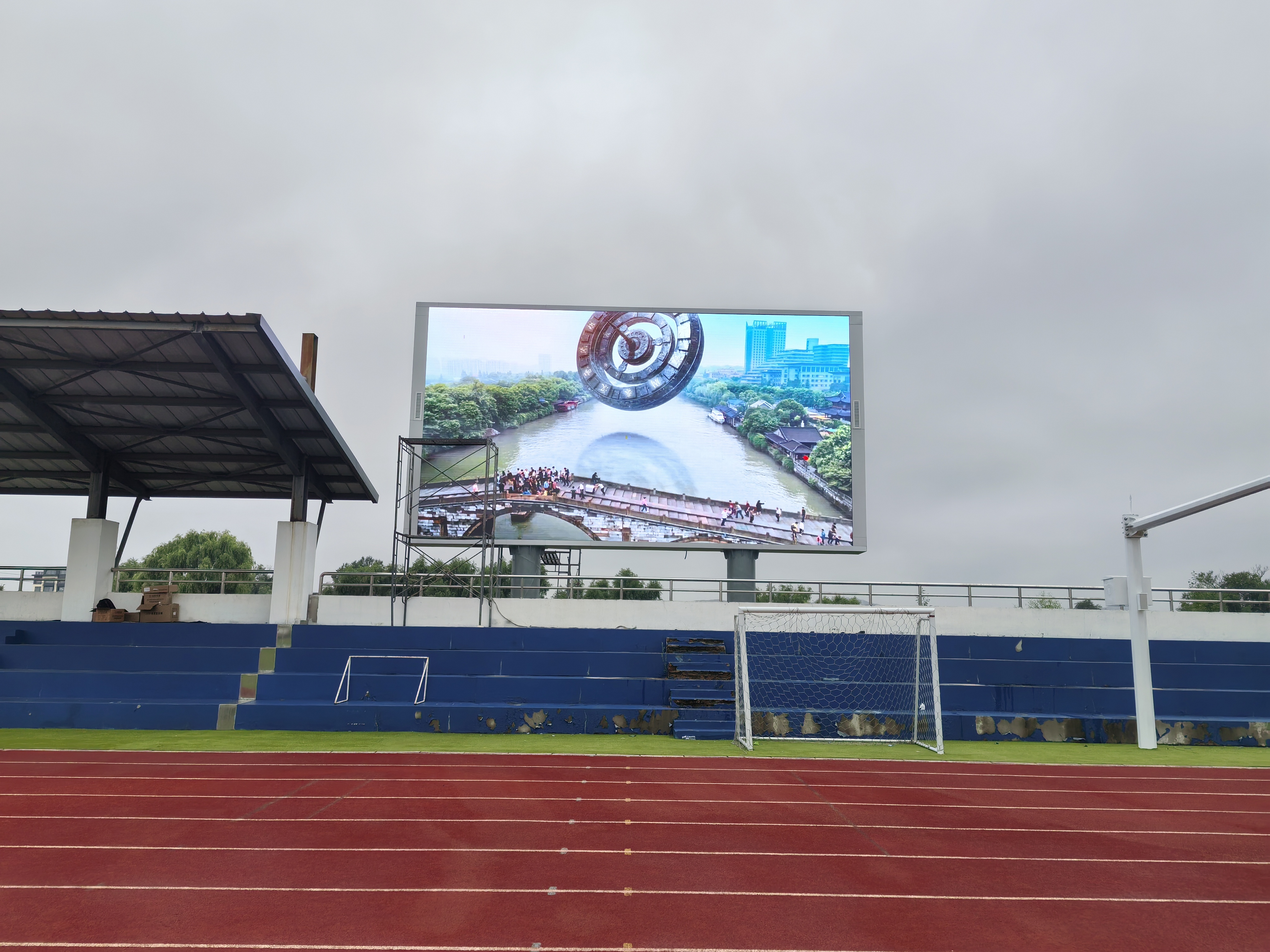
The execution phase often determines the success of a studio LED display procurement. In the Hunan Military Command project, Stonbel strictly followed military confidentiality construction protocols, completing screen installation, system integration, and color calibration during non-operational hours to ensure accurate display and stable, fault-free operation. This process teaches procurers that installation plans must align seamlessly with studio programming schedules to avoid disrupting broadcasts. Post-installation training and handover are equally critical. Stonbel provided confidential operation training, routine maintenance, and emergency handling instruction for military personnel, and established a 7×24 hour dedicated
Technical Highlights: Dual Drivers of Packaging and Smart Interaction
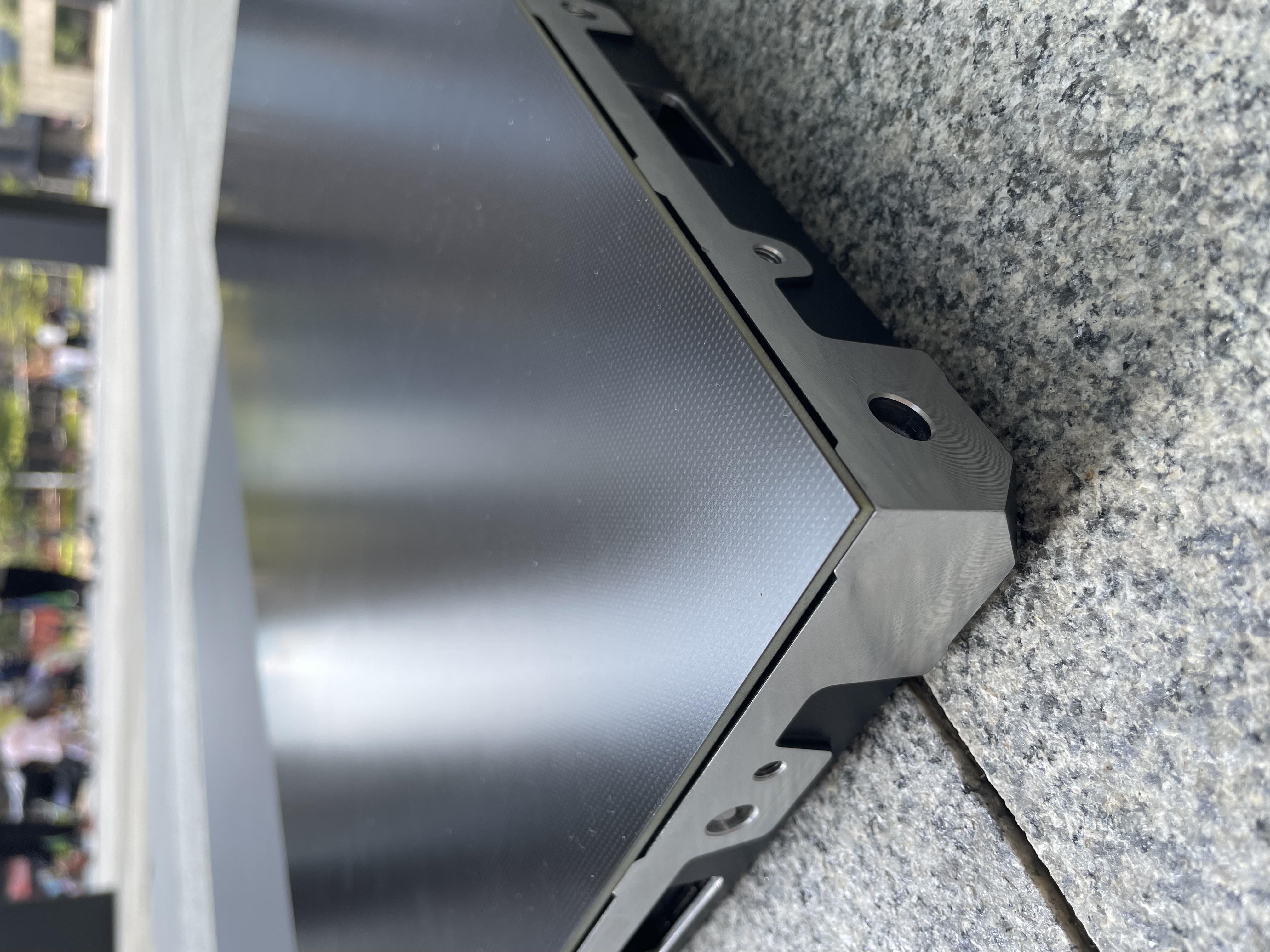
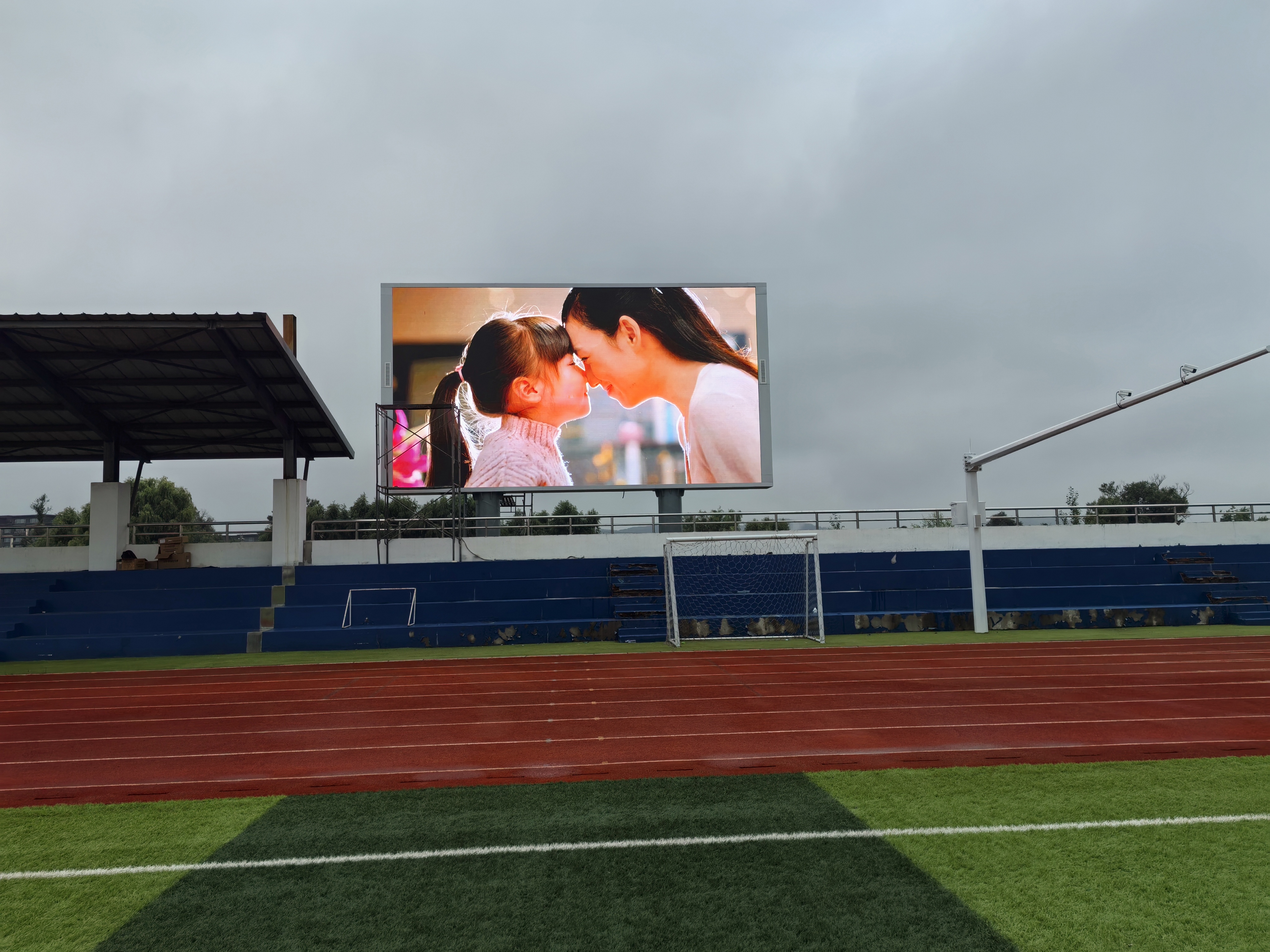
In studio LED display technology selection, packaging process is the cornerstone of image quality and reliability. Stonbel's SMD packaging uses surface-mount lamp beads individually soldered to the PCB board. It is a mature, cost-controllable process with a wide brightness adjustment range; outdoor versions can be customized to over 8000cd/m². COB packaging, on the other hand, bonds chips directly to the PCB board without lamp beads, achieving higher pixel density with a minimum pitch of P0.7 for ultra-high-definition display, no physical seams, and high protection ratings. GOB packaging involves pouring transparent resin over SMD lamp beads and circuit surfaces, achieving COB-like smoothness, dustproofing, and impact resistance at a lower cost, with protection performance approaching IP65+. In studio bidding, choose packaging based on specific zones: COB for the main background
Outcomes and Insights: A Data-Driven Procurement Decision Model
Studio LED display procurement should prioritize long-term value over one-time investment. Referencing Stonbel's full product matrix, from COB fine-pitch (P0.7-P1.8) to LED texture screens (appearing as décor when off), suitable products can be selected for different studio zones (main background, side screens, floor). For instance, LED texture screens can serve as high-end architectural décor when not in use, enhancing studio aesthetics; LED floor screens support human body sensing interaction, adding program interest. For bidding, a combined 'technical score + commercial score' evaluation method is recommended, focusing on the supplier's custom design capability, smart interaction features, and rapid deployment ability. Quantitatively, the Hunan Military Command project achieved a 60% improvement in combat situation display clarity, a 65% reduction in
Q1: What qualification requirements are essential when bidding for studio LED displays?
A: Qualification review is the first gate for filtering suppliers in studio LED display bidding and must be strict and comprehensive. First, basic certifications are indispensable: suppliers must provide 3C (China Compulsory Certification), CE (EU safety), and FCC (US electromagnetic compatibility) certifications, which are market entry passes ensuring electrical safety and electromagnetic compatibility. Second, management system certifications gauge internal control: ISO9001 ensures production process controllability, ISO14001 reflects green manufacturing capability, and ROHS ensures products are free of hazardous substances like lead and mercury. For high-end government or classified studio projects, verify if suppliers hold military or confidentiality qualifications
Q2: How should pixel pitch be selected for studio LED displays?
A: Pixel pitch selection is a core decision in studio LED display bidding, directly impacting image quality and budget. Pixel pitch is the distance between adjacent pixels in millimeters; smaller values mean higher pixel density and finer images. Selection is based on two main factors: viewing distance and program type. For news broadcasting or talk shows, where hosts are typically 2-3 meters from the background screen, a P0.7-P1.2 pitch is recommended for ultra-high-definition display with sharp text and natural skin tones. For variety shows or large events with viewing distances of 3-5 meters, P1.5-P1.8 pitch suffices while controlling costs. For virtual production or XR studios, where cameras shoot at close range and require keying, sub-P0.9 pitch is mandatory, paired with high refresh rates to avoid moiré patterns. Stonbel's COB packaging supports a minimum P0.7 pitch with no physical seams and fine image quality; SMD packaging covers P1.25-P10 for flexible selection.
Q3: How do refresh rate and grayscale affect camera shooting for studio LED displays?
A: Refresh rate and grayscale are the most critical technical indicators for studio LED displays, directly affecting camera shooting results and program quality. Refresh rate is the number of times the display updates the image per second, measured in Hertz (Hz). If the refresh rate is insufficient during camera shooting, scan lines or flickering appear, severely impacting broadcast quality. Stonbel LED displays support a 7680Hz ultra-high refresh rate, far exceeding the broadcast standard of 3840Hz, completely eliminating scan lines and ensuring clear, smooth, tear-free capture of high-speed motion (e.g., sports, dance). Grayscale refers to the number of brightness levels from darkest to lightest, measured in bits. Higher grayscale means smoother color
Studio LED display procurement requires systematic consideration of technical parameters, qualification audits, case verification, and after-sales maintenance. Real cases demonstrate the value of high refresh rates, high grayscale, and high protection ratings, alongside supplier customization capabilities and service networks. Stonbel offers reliable options through COB/SMD/GOB packaging technologies, full product coverage, and service across 31 provinces. As ultra-HD adoption accelerates, studio displays will evolve toward finer pitches, higher refresh rates, and enhanced interactivity—buyers should follow trends and make data-driven decisions.