Commercial display projects succeed or fail after delivery, not at bid award. Stonbel's service network and quality control system, built on source-level production consistency, 31-province service coverage, and self-developed COB packaging, provides integrators with complete support from selection to maintenance. For those evaluating suppliers, focus on service network coverage, quality control processes, and real case data—these matter more than price comparison.
Case Background: The Real Value of Service Networks from a Selection Perspective
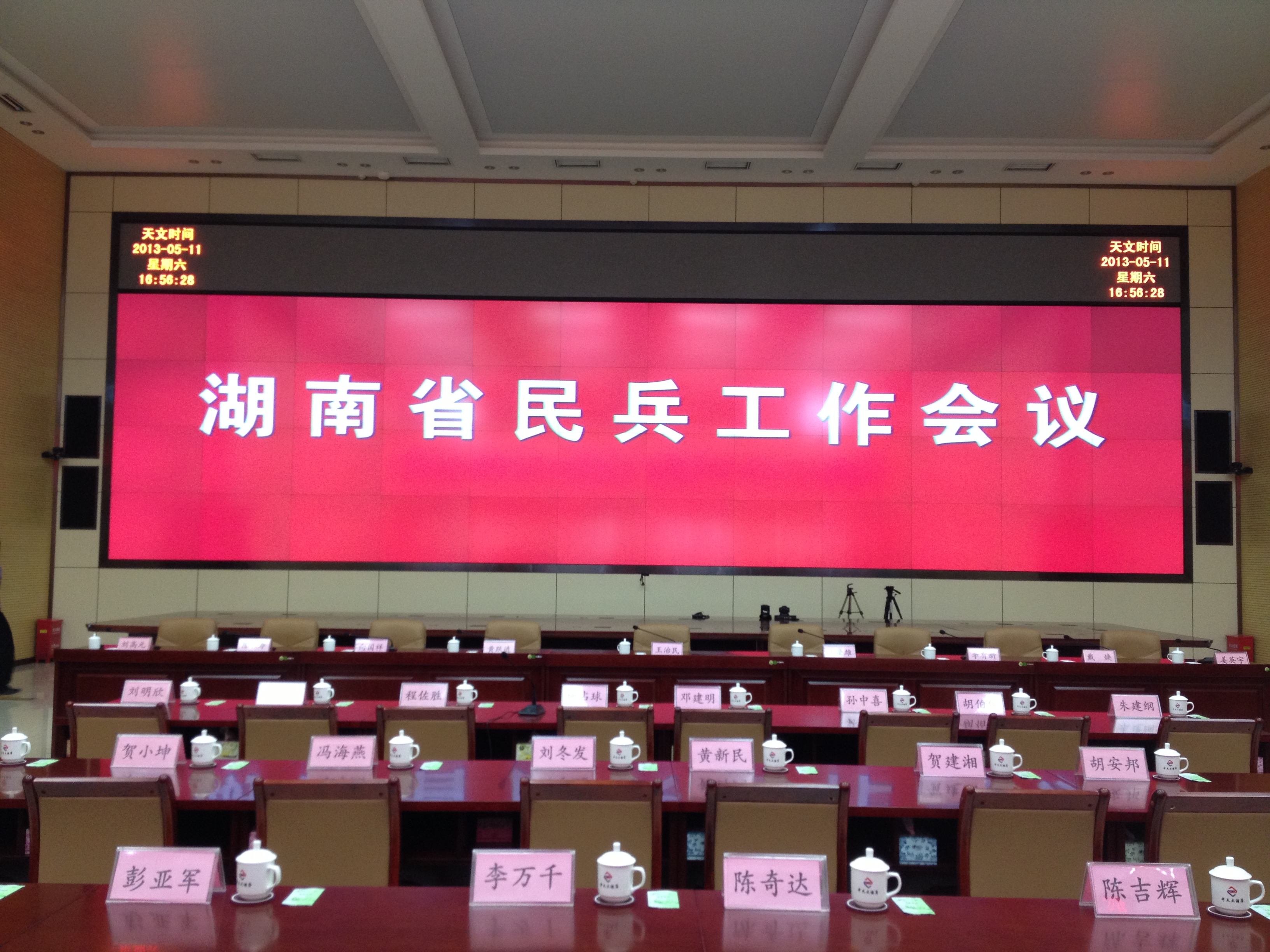
From a selection perspective, integrators most often overlook the service radius behind production capacity and quality control. Stonbel's service network covers 31 provinces with permanent service points, ensuring rapid on-site response during the Shenzhen Bao'an Airport project commissioning and proactive issue detection through quarterly inspections at the Jiangsu Provincial Government Service Center. Compared to the industry norm of factories in Guangdong with outsourced services, this localized network directly reduces project lifecycle risks. Airport projects typically involve multiple zones—terminals, transportation centers, parking structures—each with distinct installation environments and complex signal
Implementation Details: How the 31-Province Service Network Ensures Delivery and Maintenance
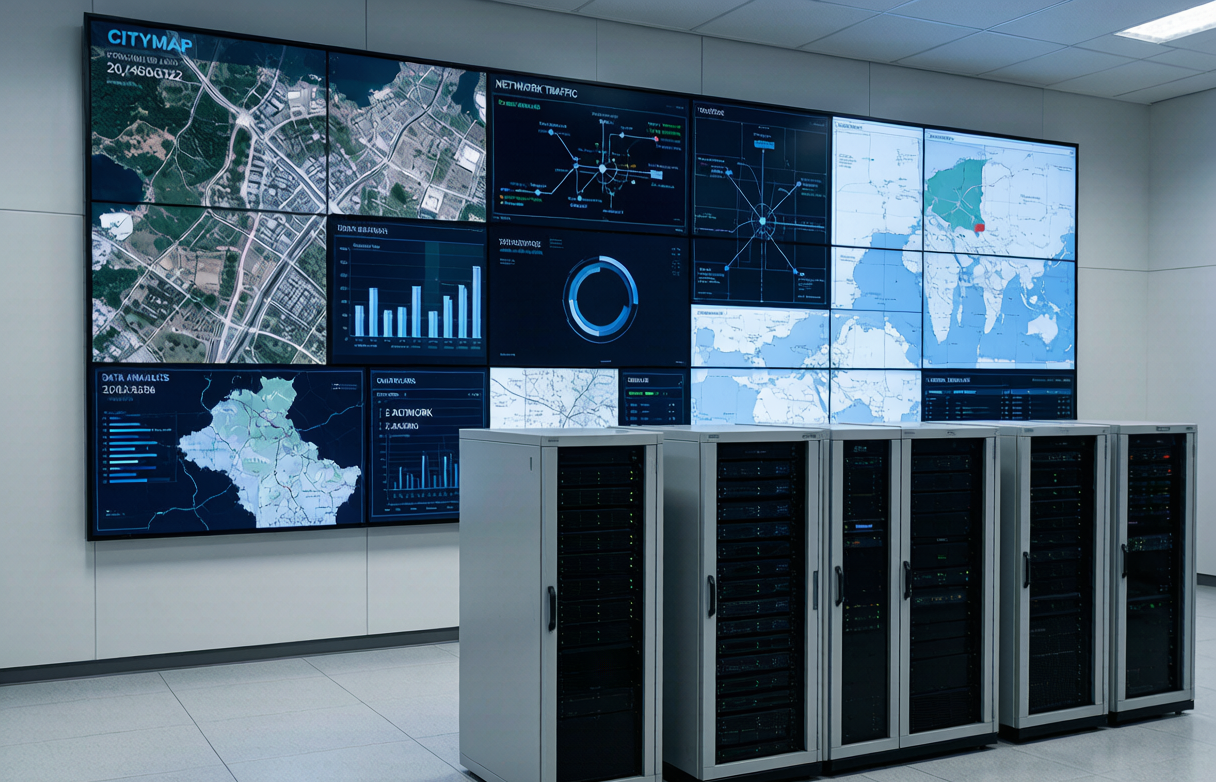
During construction and commissioning, Stonbel's 31-province permanent service points deliver tangible results. The airport project involved installing display terminals across multiple terminal zones under tight deadlines and with numerous coordinating departments; on-site factory engineers quickly resolved issues such as mounting angles and signal interference. At Shenzhen Bao'an Airport T3, the project covered check-in halls, security areas, and boarding gates, each with different lighting, viewing distances, and information density. The engineering team adjusted brightness curves and refresh rates per screen based on actual conditions, ensuring passengers could read flight information
Technical Highlights: From COB Packaging to Full-Scenario Customization
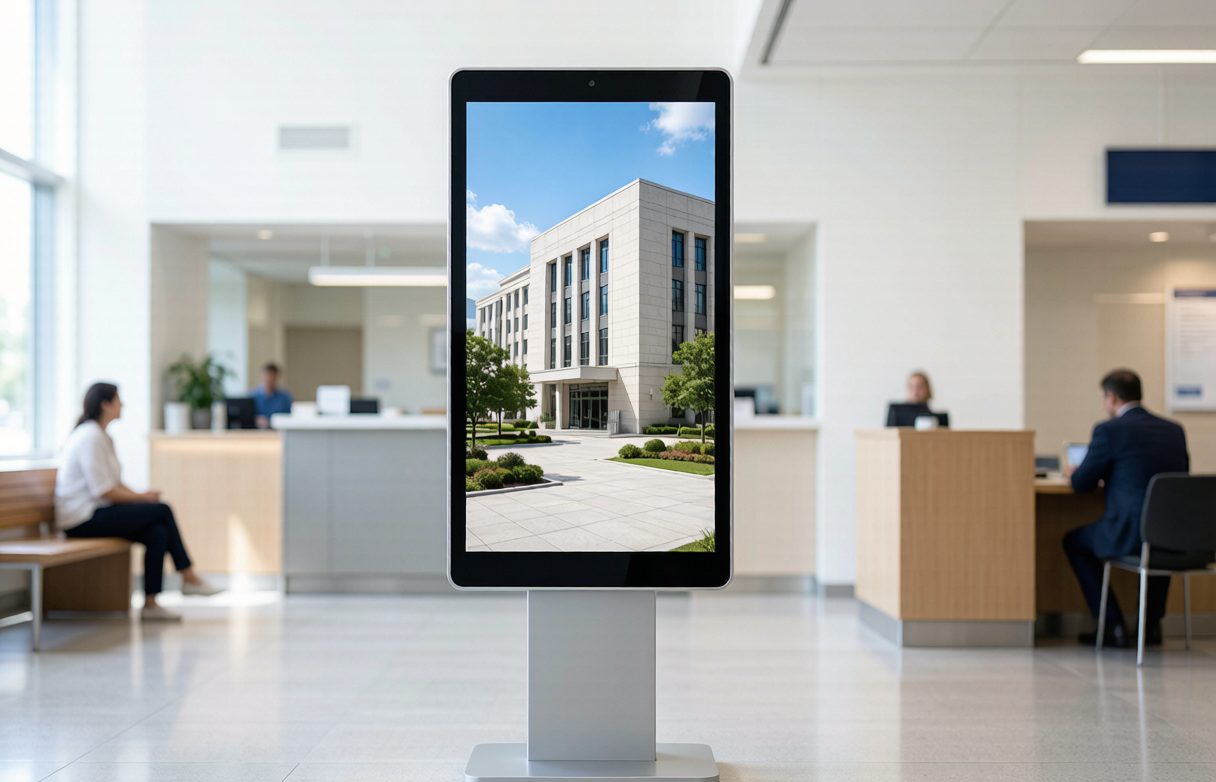
Stonbel's production capacity and quality control also manifest in fine-tuned display calibration. Whether airport flight information screens or government hall public displays, color consistency and brightness uniformity are critical to visual experience. Stonbel uses per-pixel calibration to ensure brightness differences between modules are imperceptible to the naked eye, preventing mottling or color patches. In the Shenzhen Bao'an Airport project, over 300 terminals were distributed across different floors and orientations with significant natural light variation. Per-pixel calibration and the intelligent brightness adaptation system worked together to maintain high contrast under strong daylight and automatically reduce brightness at night to avoid light pollution. The
Outcomes and Insights: Data-Driven Selection Logic
From an industry perspective, these two cases reflect a trend in commercial display procurement: clients increasingly value the manufacturer's service network over product price. The Shenzhen Bao'an Airport project reduced flight information update latency from minutes to seconds, cut passenger complaint rates for missed flights by 72%, and reduced maintenance manpower by 55%. The Jiangsu Provincial Government Service Center achieved a 75% improvement in information update efficiency, an 88% reduction in equipment failure rates, and a 58% decrease in maintenance costs. These figures are not isolated but represent Stonbel's integrated performance in real operating environments. Notably, in the Wuxi Supercomputing Center project,
Q1: What exactly does Stonbel's service network production capacity and quality control refer to?
A: It refers to Stonbel's comprehensive capabilities as a source manufacturer in three areas: production consistency, national service coverage, and quality certification systems. Specifically: permanent service points in 31 provinces ensure rapid response for cross-regional projects, with on-site arrival within 2 hours for emergencies; proprietary COB chip-level packaging technology ensures stable parameters including pixel pitch P0.7-P1.8, refresh rate 3840Hz, IP55 protection rating, and lifespan ≥100,000 hours. Compared to traditional SMD packaging, COB offers higher reliability against moisture, dust, and impact with lower failure rates. Stonbel also holds 3C, CE, FCC, ISO14001, ISO9001, ROHS, military, and confidential project qualifications, covering all mandatory thresholds for civilian and classified applications, providing full-process accountability for integrators. Additionally, Stonbel owns 12 patents
Q2: How should integrators evaluate a manufacturer's production capacity and quality control during product selection?
A: Evaluate from five dimensions: First, production qualifications—check for 3C, ISO9001, ISO14001 certifications, plus military and confidential project qualifications, which are entry requirements for government projects. Second, service network—verify coverage of the project location; Stonbel has permanent service points in 31 provinces with certified engineers providing 7×24-hour response and quarterly inspections. Third, technical processes—COB packaging is more reliable than SMD against moisture, dust, and impact with lower failure rates; also verify core parameters like pixel pitch, refresh rate, protection rating, and lifespan meet project needs. Fourth, actual case references—review data from projects like Shenzhen Bao'an Airport, Jiangsu Provincial Government Service Center, Wuxi Supercomputing Center, and Tianjin universities, such as 88% failure rate reduction, 58% maintenance cost reduction, and 72% complaint reduction, which directly reflect real capability.
Q3: What advantages do COB small-pitch displays offer in airport and government projects?
A: COB small-pitch displays use chip-level packaging that directly mounts the light-emitting chip onto the PCB, eliminating the bracket and bonding wire structure of traditional SMD, physically reducing risks of cold solder joints and oxidation. Core parameters include pixel pitch P0.7-P1.8, refresh rate 3840Hz, IP55 protection rating, and lifespan ≥100,000 hours, making them ideal for high-frequency operation in complex environments. In the Shenzhen Bao'an Airport T3 project, COB technology ensured over 300 terminals synchronized flight information updates in seconds, reducing missed-flight complaints by 72% and maintenance manpower by 55%. At the Jiangsu Provincial Government Service Center, a 75m² P1.5 COB screen delivered seamless display with a 75% improvement in
Commercial display procurement is a long-term test of supplier capability. Stonbel's service network and quality control system, with resident service points in 31 provinces, proprietary COB packaging, a full product matrix, and verified case data, creates a complete loop from selection to delivery to maintenance. Choosing a source manufacturer means choosing certainty. Evaluate suppliers on service coverage, quality control workflow, and case data—these determine smooth delivery, stable operation, and rapid issue resolution.