As the hub of urban traffic operations, a command center's display system is critical. LED relief texture screens are increasingly considered for their aesthetic and functional benefits. However, many buyers lack clarity on how to pair them with conventional LED video walls. Based on real project experience, this article outlines common pitfalls, their causes, and avoidance strategies to help decision-makers build an efficient, stable, and visually appealing command display environment. Pairing these screens is not just about stacking products; it requires system design based on viewing distance, ambient light, and maintenance ease. Avoiding pitfalls and choosing the right combination ensures both operational efficiency and visual impact. Stonbel, with its expertise in LED display technology and numerous government projects, offers one-stop services from selection to maintenance, making urban traffic management smarter and more reliable.
Common Pitfalls
In traffic command center projects, pairing LED relief texture screens with LED video walls often leads to these issues: First, blindly pursuing large screen area while ignoring viewing distance and resolution matching, causing visible pixelation. For example, one command center chose a P2.5 screen as its main display, but at a viewing distance of about 3 meters, text edges showed obvious aliasing, affecting information reading. Second, signal processing systems incompatible with screen parameters cause lag and screen tearing. Traffic command centers need to simultaneously integrate multiple data streams such as HD video surveillance, GPS positioning, and traffic light status. If the controller bandwidth is insufficient or refresh
Root Cause Analysis
The root cause lies in a lack of deep understanding of LED relief texture screen technical characteristics during selection. For example, pixel pitch (e.g., P5) determines suitable viewing distance; using large-pitch products at close range naturally produces pixelation. Industry experience shows P5 screens require viewing distances above 5 meters, while command seats are often only 2-4 meters away, so P1.2 or smaller COB products are needed. For signal scheduling, traffic command centers often need to integrate multiple real-time video
Avoidance Strategies
To avoid these pitfalls, first select pixel pitch based on actual viewing distance. For a command hall with 3-5 meter viewing distance, P1.2 or smaller COB products are recommended for fine image quality; for auxiliary display walls, P5 texture screens balance decoration and information display. Stonbel COB small-pitch products cover P0.7-P1.8, with 3840Hz refresh rate, IP55 protection, and ≥100,000-hour lifespan, meeting main screen requirements. Second, the signal processing system must support high-bandwidth input and multi-window scheduling. Referencing Stonbel's Nanjing Jiangbei New Area Construction Operations Center project, a self-developed multi-signal scheduling system enables decentralized control, supports 8K
Recommended Configurations
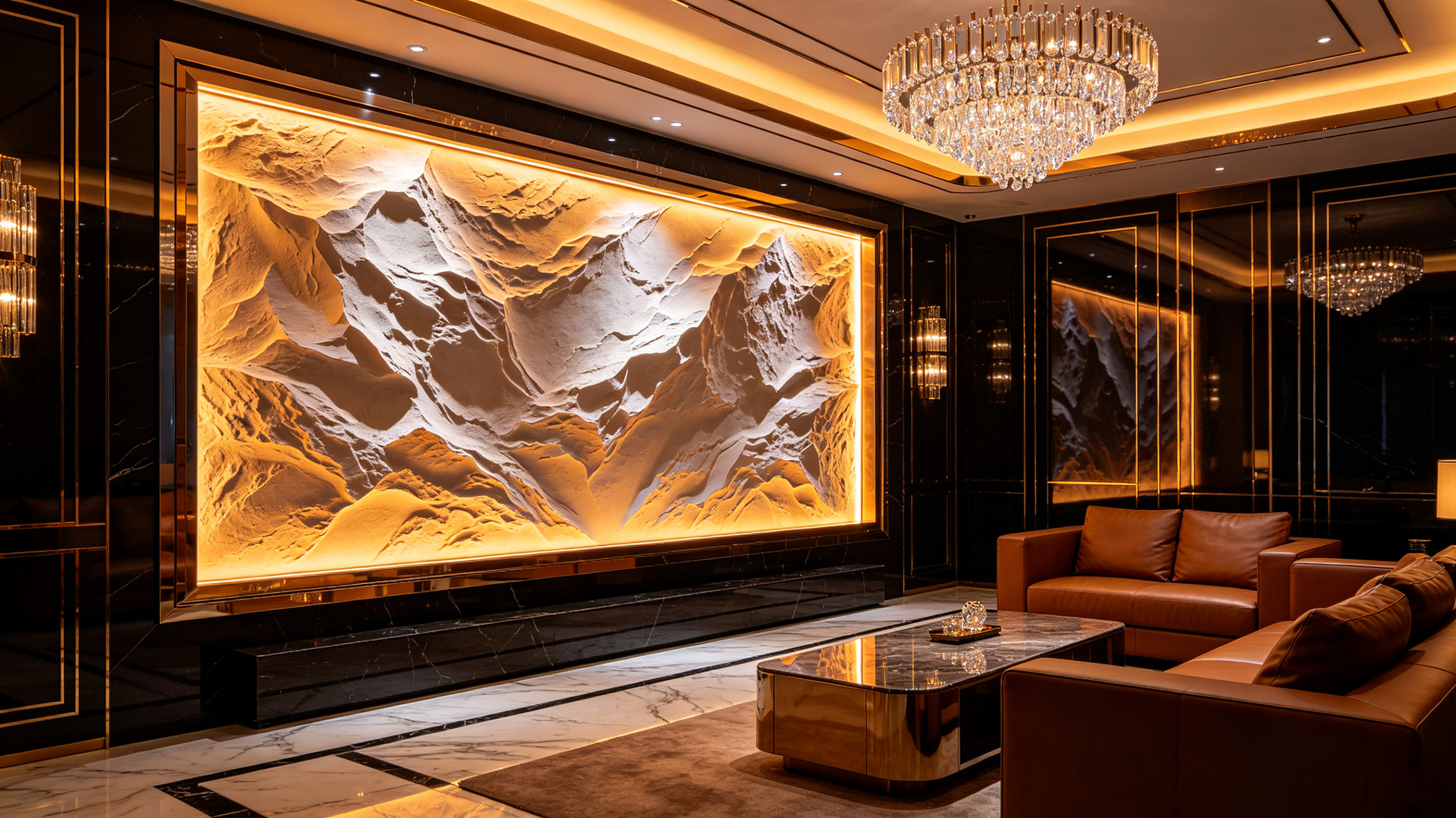
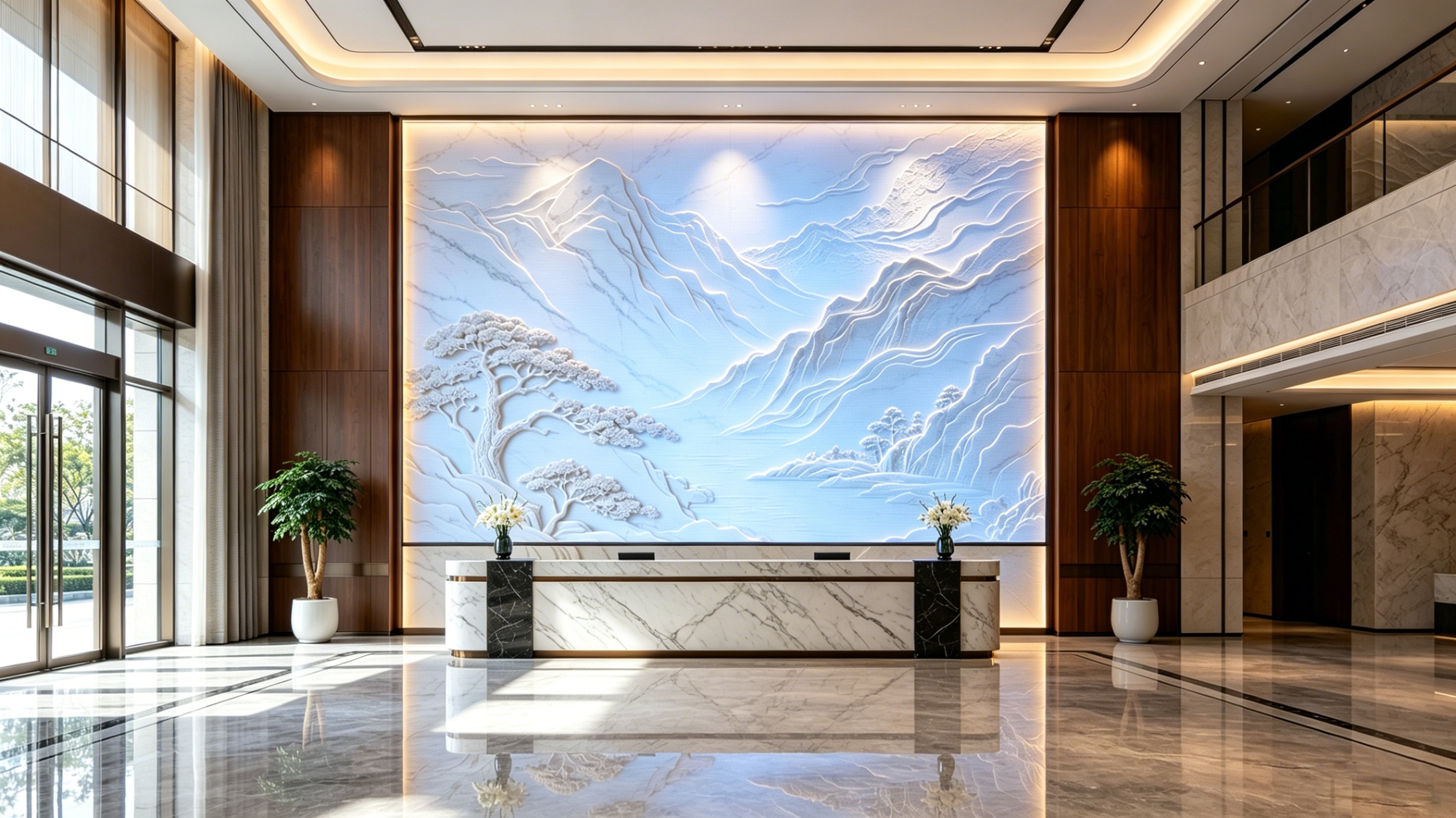
For traffic command centers, Stonbel offers a combination of COB small-pitch LED displays and LED texture screens. COB small-pitch products cover P0.7-P1.8, with 3840Hz refresh rate and IP55 protection, ideal as main display screens for high-precision maps and video surveillance. In the Nanjing Jiangbei New Area project, a P1.0 COB small-pitch curved LED screen supported 8K 3D rendering, improving urban model detail by 4 times, serving as a national-level new area governance showcase. LED texture screens with P5 pitch and IP54 protection serve as auxiliary display walls on both sides, showing wood or stone textures when off and traffic status or announcements when needed. Stonbel holds 3C, CE, FCC, ISO14001, ISO9001, ROHS, military, and
Q1: How should LED relief texture screens and LED video walls be combined in a traffic command center?
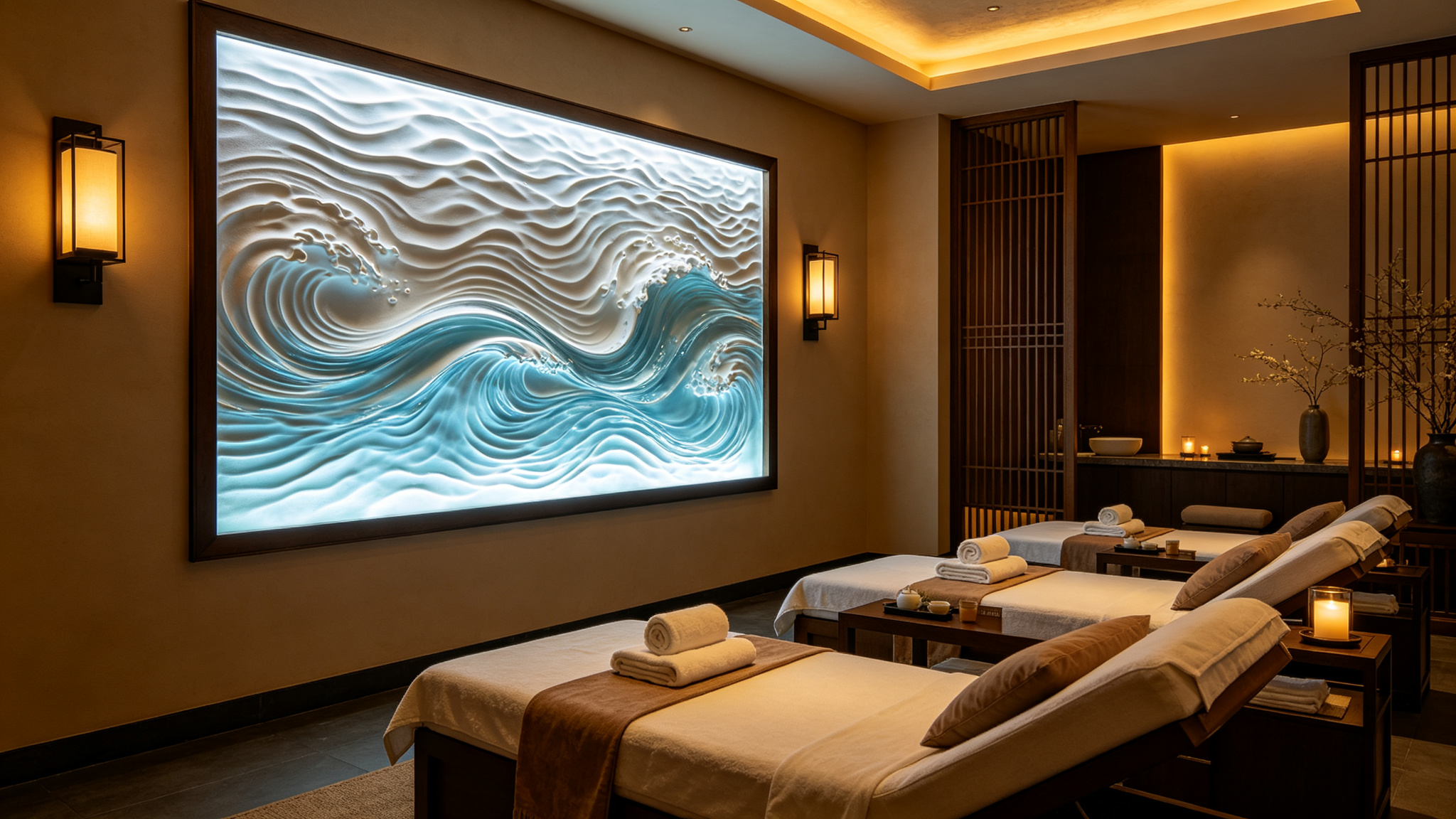
A: The core principle is 'clear hierarchy.' The main display area should use COB small-pitch LED screens (P0.7-P1.8) for high clarity and refresh rate, showing real-time traffic and dispatch; auxiliary areas like side walls or rest zones can use LED texture screens (P5), serving as decoration when off and displaying auxiliary info when on. In practice, adjust pixel pitch based on viewing distance: for command seats 3-5 meters from the main screen, choose P1.2 or smaller; for auxiliary screens farther away, P5 suffices. The signal scheduling system should support multi-input; Stonbel's Hangzhou Metro project used multi-screen controllers for unified signal access, improving mass passenger flow alert response by 55%.
Q2: What refresh rate is suitable for LED relief texture screens in traffic command centers?
A: Traffic command centers display dynamic video and maps, so a refresh rate of at least 3840Hz is recommended. Stonbel COB small-pitch products meet this standard, effectively avoiding flicker and ghosting for comfortable long-duration viewing. Texture screens as auxiliary displays can have slightly lower refresh rates but must still be flicker-free. High refresh rates are critical for dynamic traffic updates; low rates can cause ghosting, affecting vehicle trajectory assessment during emergencies. Stonbel LED displays support up to 7680Hz refresh rate, 22-bit grayscale, and NTSC≥130% color gamut, meeting high-end command center needs.
Q3: Is the protection rating of LED relief texture screens important for traffic command centers?
A: Yes. Equipment runs 7×24 hours and may face dusty or humid conditions. Stonbel LED texture screens have IP54 protection, and COB small-pitch screens IP55, both offering good dust and water resistance, reducing failure rates and extending lifespan (≥100,000 hours). In the Nanjing Jiangbei New Area project, the command hall on the ground floor near a busy street faced dust issues; IP55 protection ensured stable long-term operation. Higher protection ratings also simplify cleaning, preventing dust accumulation from affecting heat dissipation and display quality.
Q4: What should be noted during installation of LED relief texture screens in traffic command centers?
A: Three points: First, reserve maintenance access channels for future repairs; second, ensure redundant power and signal cabling to avoid single points of failure; third, conduct ambient light assessment before installation, adjusting brightness and angle to prevent glare. Stonbel provides resident services across 31 provinces, assisting with on-site surveys and installation guidance. Specifically, maintenance channels should be at least 60 cm wide for personnel access; cable redundancy with a backup set is advisable; ambient light assessment should test both daytime and nighttime, adjusting brightness to 300-800cd/㎡. In the China Electronics Technology Group project, Stonbel's team provided 7×24 on-site operations and maintenance to ensure system stability.
Properly combining LED relief texture screens with LED video walls in traffic command centers requires considering viewing distance, signal processing, ambient light, and maintenance. This guide helps decision-makers avoid common mistakes and select suitable product combinations. Stonbel, a top-10 Chinese LED display company with 3C, CE, FCC certifications and military/confidential qualifications, serves all 31 provinces. Whether it's a COB fine-pitch main display or auxiliary texture screens, Stonbel provides reliable, secure solutions for efficient dispatch and visual impact. Choose Stonbel for smarter, more reliable urban traffic management.