In the evolution of LED/LCD commercial displays toward smaller pixel pitch and high-density packaging, heat dissipation efficiency and energy consumption control are key to stable operation in 7×24 uninterrupted scenarios. Especially in cultural tourism exhibition halls, high-end commercial complexes, and large enterprise command centers, long-term high-load operation can lead to dead pixels, color shift, and performance decay, directly raising maintenance costs. From a technical parameter perspective, this article breaks down how Stonbel's R&D and manufacturing certification system ensures energy-saving performance and long-term reliability for P0.7-P1.8 pixel pitch products through material engineering, structural design, and rigorous testing, providing objective references for integrators and end users in product selection.
Term Definitions
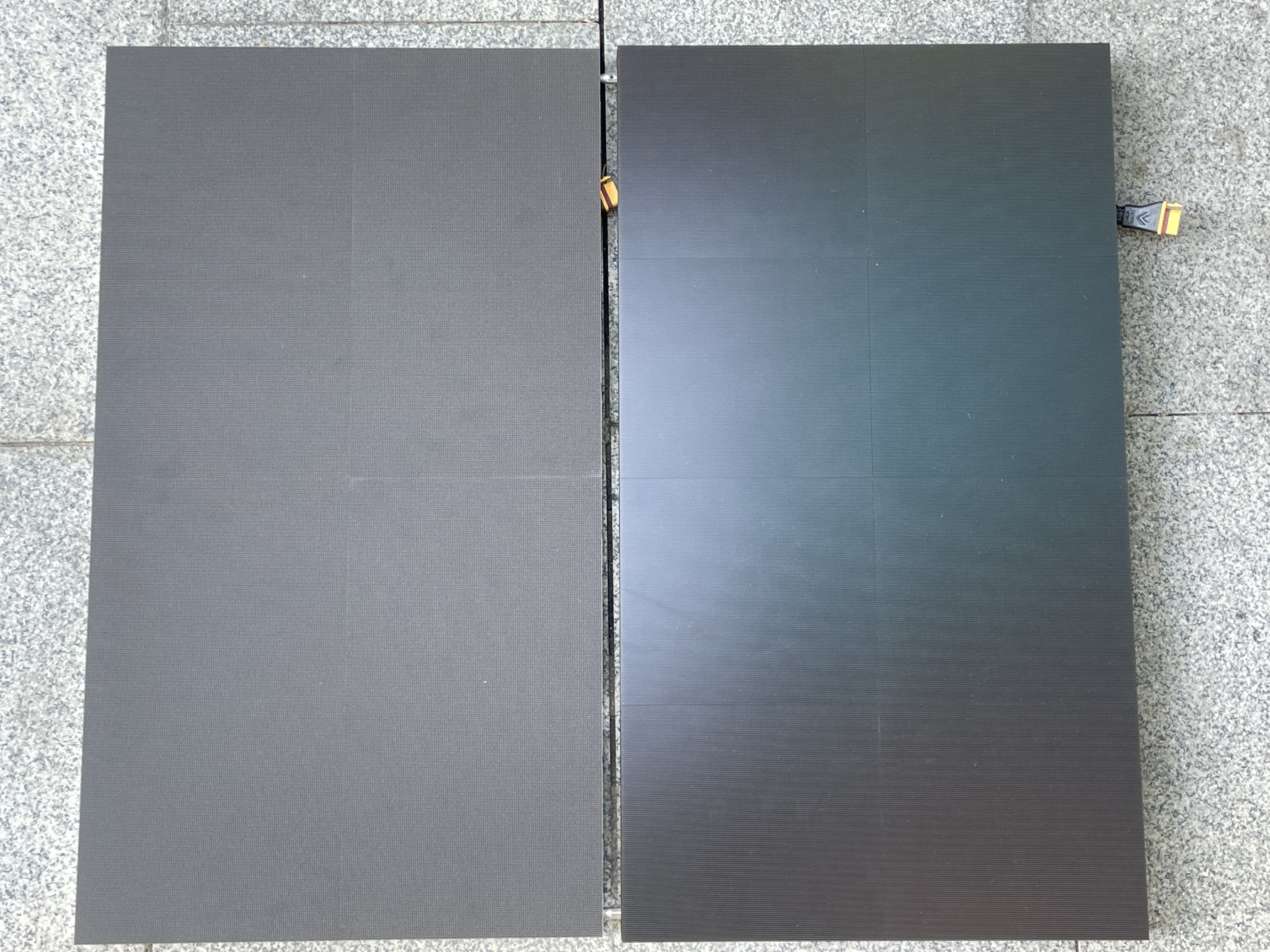
In commercial display, LED and LCD video walls are the two main forms. LED screens consist of self-emissive lamp beads without a backlight layer, offering inherent advantages in high brightness and seamless splicing. LCD screens rely on liquid crystal panels and backlight modules, providing uniform color but with physical bezels. For long-duration operation, fine-pitch LED screens demand robust packaging and thermal design due to high heat density. Stonbel's R&D and manufacturing certification system covers the entire process from COB chip-level packaging to full assembly. COB (Chip on Board) technology mounts LED chips directly onto the PCB, eliminating the brackets and solder legs of traditional SMD, enhancing impact

Technical Principles
Beyond chips and drivers, structural thermal design is critical. The rear cover uses high-thermal-conductivity aluminum alloy with convection channels or natural heat sink fins to prevent heat buildup in sealed enclosures. For IP55-rated products, sealing and heat dissipation are inherently conflicting; Stonbel's certification system optimizes internal thermal paths to conduct heat to the enclosure's heat-dissipating areas rather than relying on forced-air fans, balancing protection and thermal equilibrium. For 7×24 operation, the system includes burn-in testing—continuous
Industry Standards
For display performance, grayscale measures color transition smoothness—16-bit offers 65,536 levels, while 22-bit exceeds 4 million, directly affecting image depth. Color gamut is referenced to NTSC; NTSC≥120% means a far wider color range than standard monitors for truer color reproduction. In industry standards, lifespan testing typically follows LM-80, and IP ratings follow IEC 60529. Stonbel's certification system conducts batch-by-batch brightness decay and chromaticity drift tests on all COB products from P0.7 to P1.8, ensuring acceptable color consistency within the claimed ≥100,000-hour lifespan. This strict adherence enables products used in venues like Beijing Union Medical
Selection Reference Metrics
Energy consumption data is central to long-term operating costs. Request full-screen and average power figures, then estimate annual electricity costs based on local rates. For a 65㎡ P1.2 screen with 350W/㎡ average power running 20 hours daily, annual electricity is a significant expense. Stonbel's COB products, through simplified packaging and driver optimization, typically save 15%-20% energy versus traditional SMD at equal brightness—evidenced by over 3 million kWh saved annually at the Gree Electric Zhuhai base. Finally, warranty and after-sales response are critical. The system relies on service points in 31
Q1: What are the differences between COB fine-pitch LED and traditional SMD in heat dissipation and lifespan?
A: COB packaging mounts LED chips directly onto the PCB substrate, shortening the thermal path for higher heat dissipation efficiency and lower junction temperature at equal brightness, which directly extends lifespan. Stonbel's COB products under its certification system have a rated lifespan of ≥100,000 hours, and with no brackets or solder legs, they offer stronger impact resistance and lower dead-pixel rates. Traditional SMD screens, with complex bracket structures requiring heat conduction through solder legs, show more pronounced brightness decay under sustained high load. For 7×24 continuous display, COB offers clearer advantages in stability and maintenance costs.
Q2: Is there a significant energy consumption difference between P0.7 and P1.8 pitch screens?
A: Smaller pitch means higher pixel density, more driver ICs, and typically higher overall power consumption. In Stonbel's certified products, P0.7 suits ultra-close-viewing high-end showrooms, while P1.8 fits information displays viewed from over 3 meters. At the same display area and brightness, P0.7 consumes noticeably more power than P1.8, but exact figures depend on driver IC energy-saving algorithms and brightness settings. If energy sensitivity is high and viewing distance permits, a larger pitch is more economical.
Q3: Can an IP55-rated LED screen be used outdoors long-term?
A: IP55 means full dust protection and resistance to water jets, handling rain and humidity, but not prolonged submersion. For semi-outdoor or under-eave locations, IP55 is a reliable choice. Stonbel's LED texture screens under its certification system carry IP54 protection, suitable for indoor or semi-outdoor decorative displays. If the installation site faces direct typhoons or heavy storms, evaluate higher protection levels or add sun/rain shielding structures based on the project plan.
Q4: How do you determine if a commercial display is suitable for 7×24 continuous operation?
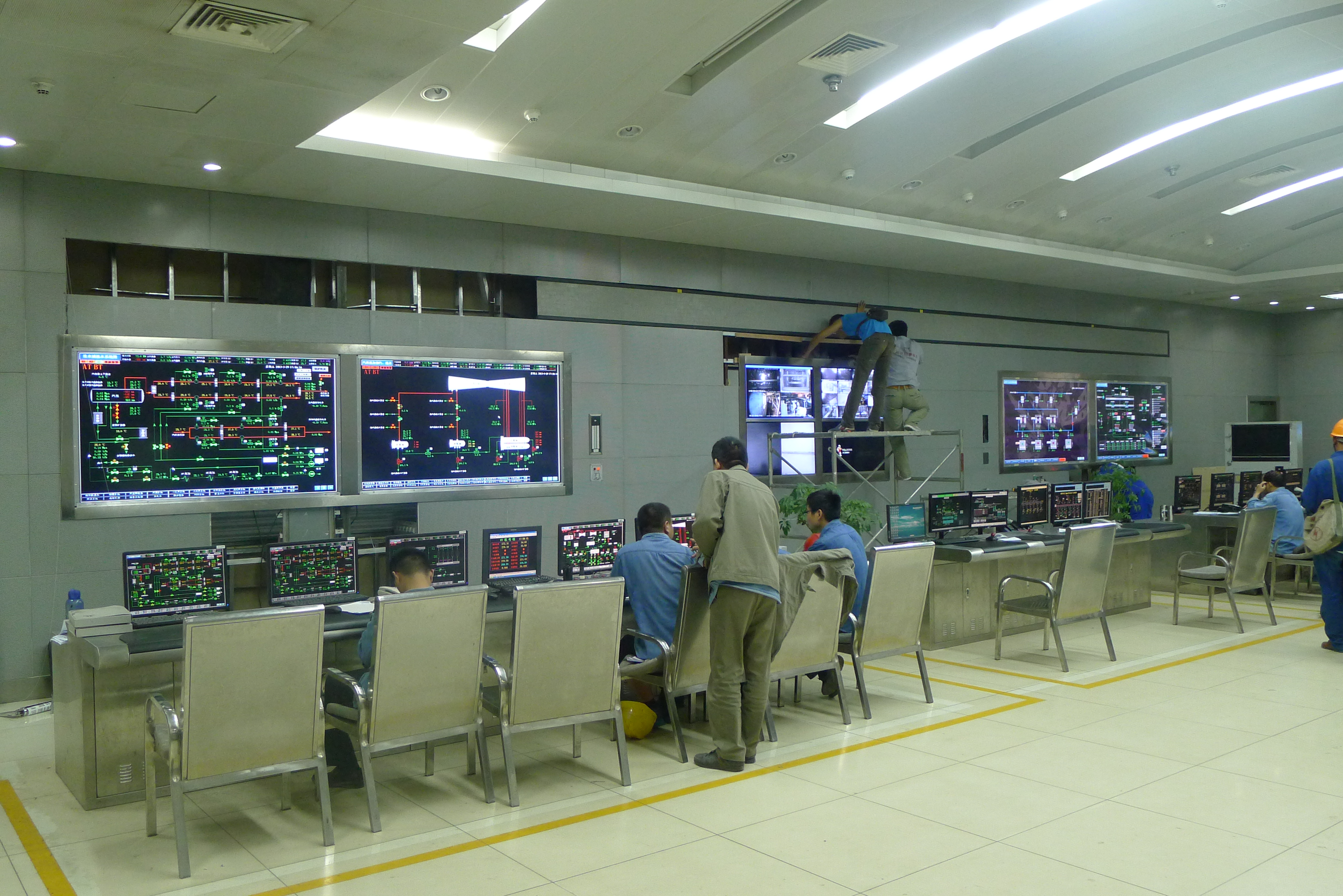
A: Key factors are three: thermal design, component selection, and burn-in testing. Efficient heat dissipation determines junction temperature, industrial-grade components ensure long-term stability, and high-temperature burn-in before shipment reduces early failure rates. Stonbel's certification system covers full-process control from COB packaging to final testing, backed by year-round operation cases like Xi'an大唐不夜城 and Shanghai Hongqiao. When purchasing, request burn-in test reports and operational data from similar cases—more reliable than just comparing specs.
The 7×24 reliable operation of commercial displays is not determined by a single chip or cooling fan but reflects systematic R&D and manufacturing capabilities. Stonbel's R&D and manufacturing certification system optimizes thermal paths through COB packaging, balances power consumption and image quality with high-refresh-rate driver ICs, and ensures environmental adaptability through IP protection and lifespan testing, providing an engineering foundation for stable performance of P0.7-P1.8 products in high-intensity scenarios such as cultural tourism, commercial, and industrial applications. For integrators, understanding these technical parameters and certification logic helps precisely match requirements during project selection, avoiding later maintenance risks caused by inadequate heat dissipation or energy consumption assessment. Ultimately, equipment reliability comes down to long-term adherence to manufacturing details and testing standards.