In emergency command scenarios, the large-screen display system is the core carrier for information aggregation and dispatch. Its stability, image quality, and response speed directly determine decision-making efficiency. Facing a wide array of video wall products, how to avoid selection pitfalls and ensure system stability has become a shared focus for government and enterprise clients and integrators. Stonbel, as a source manufacturer of LED/LCD commercial displays, operates five production bases in Shenzhen and Huizhou, holds certifications including 3C, CE, FCC, ISO14001, ISO9001, ROHS, military, and classified, and ranks among the top ten LED display companies in China. This article breaks down the key selection points for emergency command LCD video walls from four perspectives: new product highlights, dimension-by-dimension upgrades, optimization and value points, and selection recommendations.
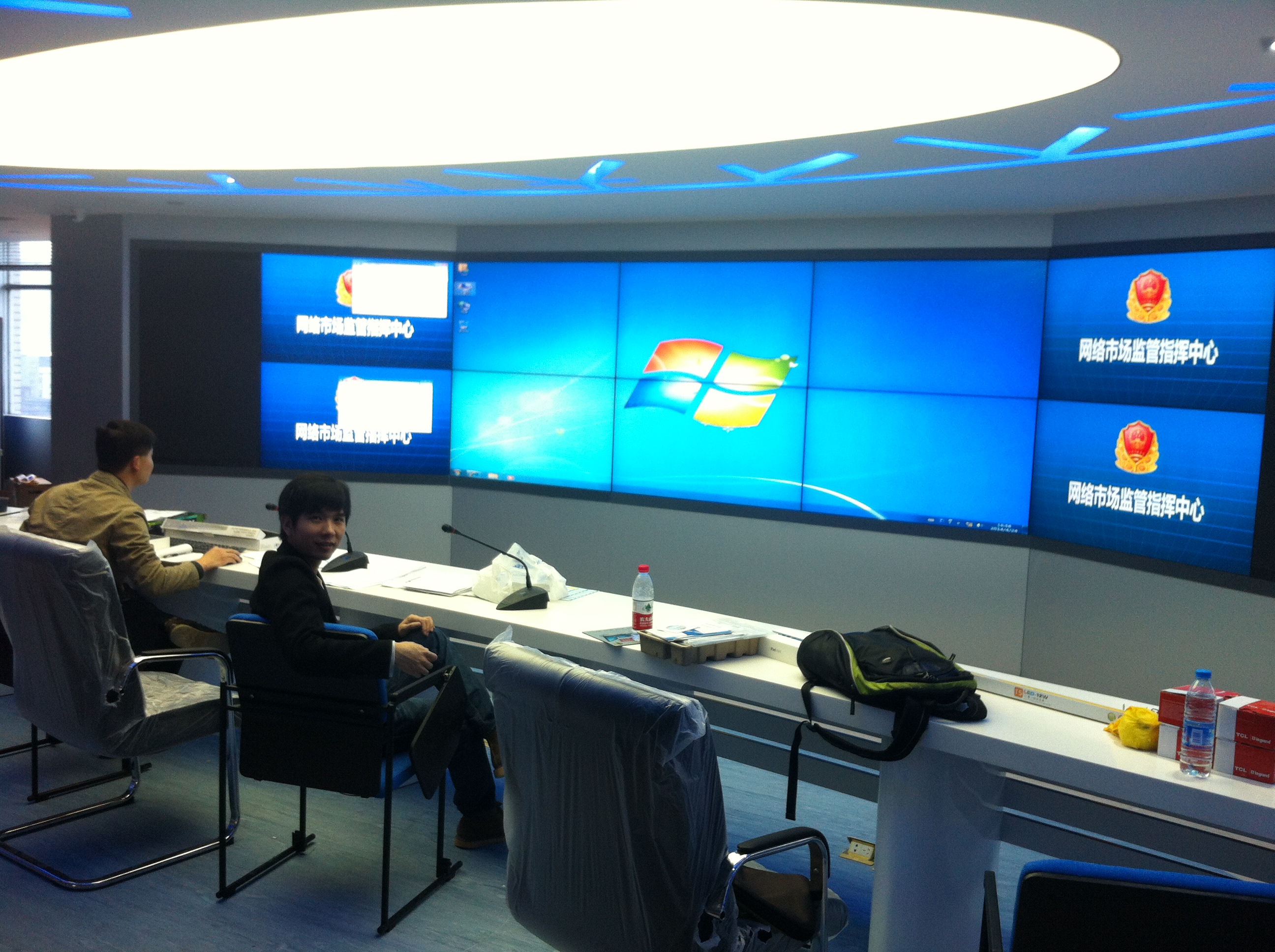
New Product Launch: Comprehensive Upgrades in Detail and Performance
From exterior design to internal structure, the new-generation emergency command LCD video wall reflects the manufacturing expertise of the source factory. The product features a slimmer bezel design, further reducing the visual seam after installation for a more unified image—critical for displaying continuous maps or surveillance feeds in emergency command scenarios. The rear panel incorporates an enhanced heat dissipation structure, ensuring stable operation even in high-temperature, high-humidity environments. Notably, this series achieves a pixel pitch of P6, NTSC color
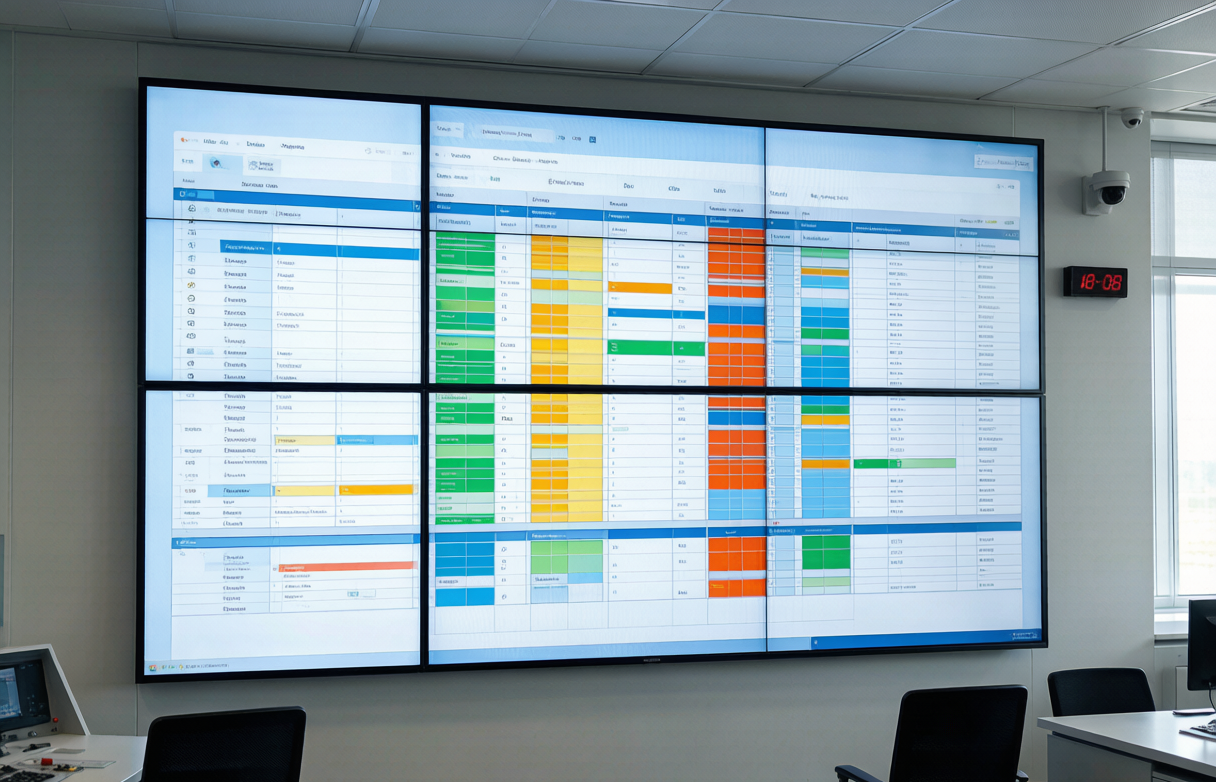
Three Breakthroughs: Image Quality, Reliability, and Cost
Image Quality: Emergency command centers must simultaneously display HD video surveillance, GIS maps, data charts, and other information sources, demanding exceptional image quality. The new emergency command LCD video wall uses a high color gamut panel with NTSC coverage exceeding 120%, delivering more realistic and accurate colors for clearly distinguishing subtle map color differences and key details in surveillance footage. It supports ultra-HD signal input and advanced image processing algorithms to ensure no ghosting or tearing during rapid scene transitions, providing commanders with a smooth, precise visual experience. Reliability: Emergency command systems require 7×24 uninterrupted operation;
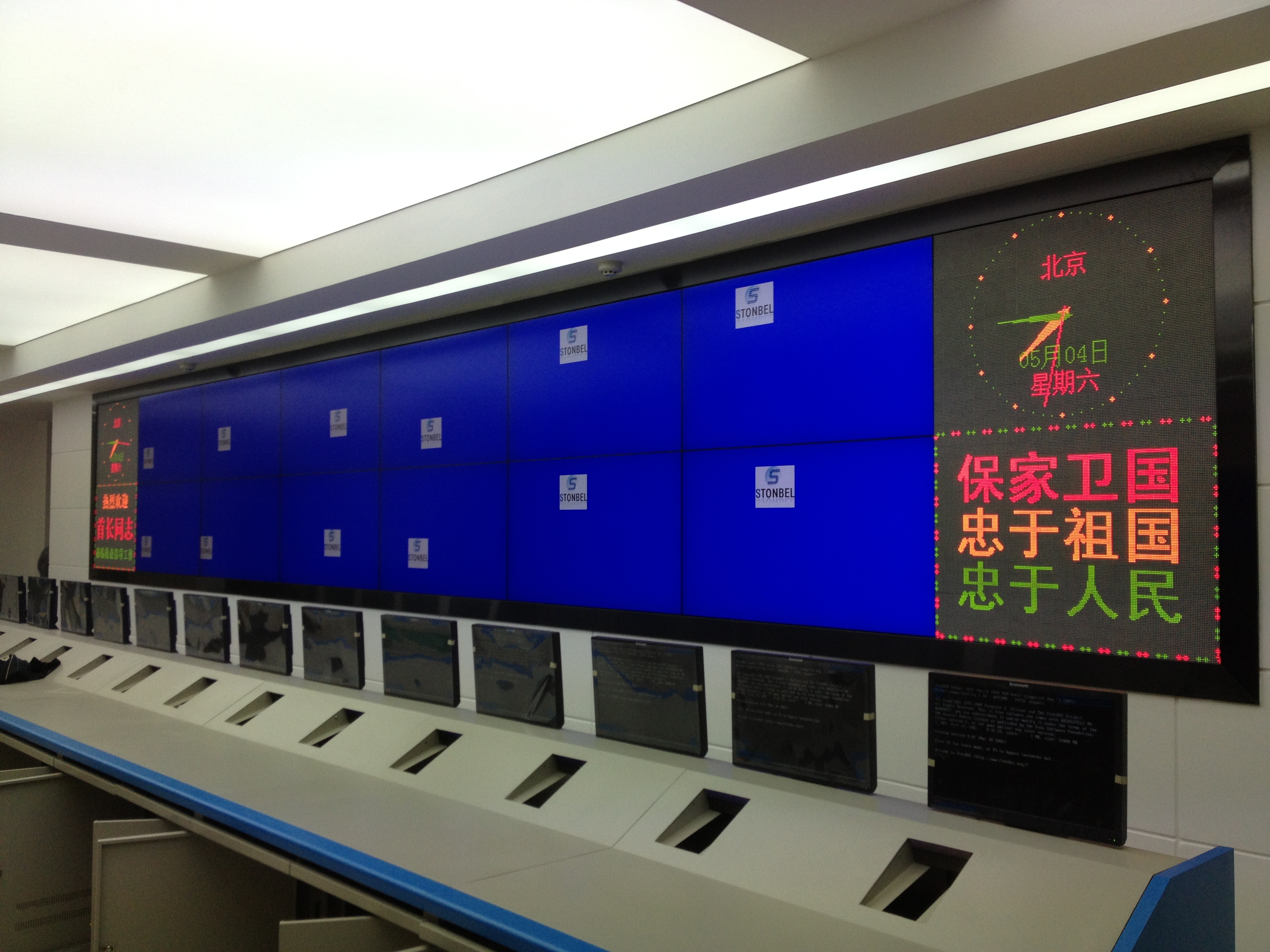
Optimization and Value: Full-Chain Assurance from Product to Service
From a service perspective, Stonbel's resident service network across 31 provinces and cities provides rapid, localized support for emergency command projects. Whether for initial installation and commissioning or later maintenance and upgrades, professional teams arrive promptly to minimize system downtime—a critical capability for 7×24 systems. In the Postal Savings Bank of China Jiangxi Branch project, Stonbel deployed a unified LCD commercial display cluster with multi-screen controllers, integrating real-time financial data interfaces that support province-level one-click scheduling and
Selection Guide: Start from Needs, Avoid Common Pitfalls
When selecting a product, start from your needs and clarify the application scenario and core specifications. First, determine the screen size and resolution based on hall area and viewing distance to ensure a clear, grain-free image. Second, focus on refresh rate and grayscale levels: a high refresh rate (e.g., 3840Hz) effectively prevents flicker, while high grayscale (e.g., 22bit) renders finer light-to-dark transitions, especially important for nighttime surveillance footage. Also consider system expandability and compatibility, choosing products that support multiple signal interfaces and
Q1: What is the difference between an emergency command LCD video wall and a regular commercial display?
A: An emergency command LCD video wall is designed for 7×24 high-intensity operation, featuring higher protection ratings (e.g., IP65), industrial-grade components, and a longer lifespan (≥100,000 hours). Regular commercial displays cannot meet the stringent requirements of emergency command in terms of continuous operation, environmental adaptability, and reliability. Stonbel's products are specifically optimized in image quality, heat dissipation, and power consumption to ensure stable performance in emergency scenarios. For example, Stonbel's LCD display features a pixel pitch of P6, NTSC color gamut ≥120%, and IP65
Q2: What does the IP65 protection rating of the emergency command LCD video wall mean?
A: The IP65 rating means the product is fully dust-tight (IP6X) and protected against low-pressure water jets (IPX5), offering excellent dust and water resistance. For emergency command centers, this ensures the LCD video wall operates normally even in high-dust environments or with accidental water splashes. Stonbel's emergency command LCD video wall uses IP65-rated protection to ensure reliability in complex environments. For example, in GMP cleanrooms or semi-outdoor locations, the IP65 rating prevents dust ingress that could affect heat dissipation and resists water
Q3: How can long-term stable operation of the emergency command LCD video wall be ensured?
A: Ensuring long-term stable operation requires attention to product quality, installation workmanship, and after-sales service. First, choose a source manufacturer with ISO9001 certification and military/classified project qualifications, such as Stonbel, whose products undergo rigorous testing, support 7×24 operation, and have a lifespan exceeding 100,000 hours. Second, proper installation is crucial, including adequate heat dissipation space, sturdy mounting structures, and professional cable management—Stonbel provides full-process support from design to construction. Finally, after-sales service is the guarantee of long-term operation. Stonbel has resident service points in 31 provinces and cities, enabling rapid response to maintenance needs and reducing
Q4: What are the practical benefits of NTSC ≥120% color gamut on the emergency command LCD video wall?
A: NTSC ≥120% color gamut means the display can reproduce a wider range of colors, making images more vivid and realistic. In emergency command, this helps more accurately identify color differences in map details, surveillance footage, and data charts, reducing misjudgment. For example, when viewing heat maps or weather cloud charts, high color gamut clearly distinguishes color gradations to aid decision-making. Stonbel's emergency command LCD video wall uses a high color gamut panel, enhancing the readability and accuracy of visual information. Additionally, high color gamut reduces visual fatigue
Emergency command LCD video walls are critical infrastructure in emergency management systems. Selection affects not only immediate display performance but also long-term operational efficiency and safety. Stonbel, as a source manufacturer of LED/LCD commercial displays, leverages its five production bases, multiple certifications, and trusted clients such as Huawei, Peking University, Peking Union Medical College Hospital, and Guangdong Provincial Emergency Management Department to deliver reliable solutions. From Wuhan Optics Valley Biolake to Postal Savings Bank of China Jiangxi Branch, from China Resources Land Shenzhen Bay Complex to OEM/ODM cooperation in Hanoi, Vietnam, Stonbel has proven its delivery capability and service strength in complex scenarios. If you are planning or upgrading an emergency command center, consider Stonbel as your partner for a professional, efficient, and forward-looking platform.