PACS systems in top-tier hospitals generate millions of new CT, MRI, and pathology images annually, making long-term archiving, second-level retrieval, and data security compliance essential. Traditional centralized storage and general-purpose GPU servers struggle to balance cost, power consumption, and retrieval speed. Stonbel's edge inference server for medical image archiving, featuring 22 TOPS INT8 computing power, 16-channel 1080P encoding/decoding, and a -40~70°C wide-temperature design, compresses retrieval time from minutes to seconds and reduces storage costs by 40%. This article examines the key factors affecting pricing to assist clients in making precise decisions under compliance and budget constraints. As a top-10 LED display company in China, Stonbel holds 3C, CE, FCC, ISO14001, ISO9001, ROHS, military, and confidential certifications, and has earned long-term trust from clients including Huawei Technologies, Peking University, Peking Union Medical College Hospital, and the Guangdong Provincial Emergency Management Department, consistently delivering reliable, cost-effective storage and AI computing infrastructure for the medical industry.
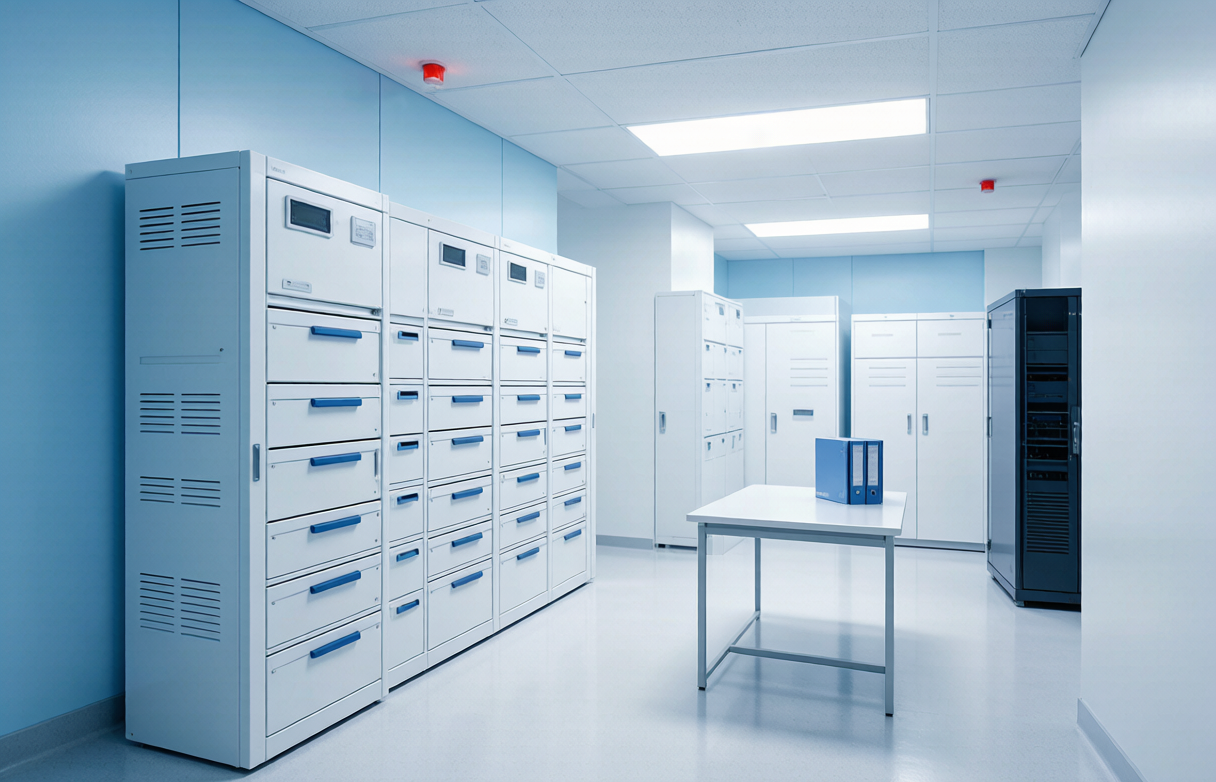
Medical Imaging Archive Edge Inference Server: PACS Storage & Computing
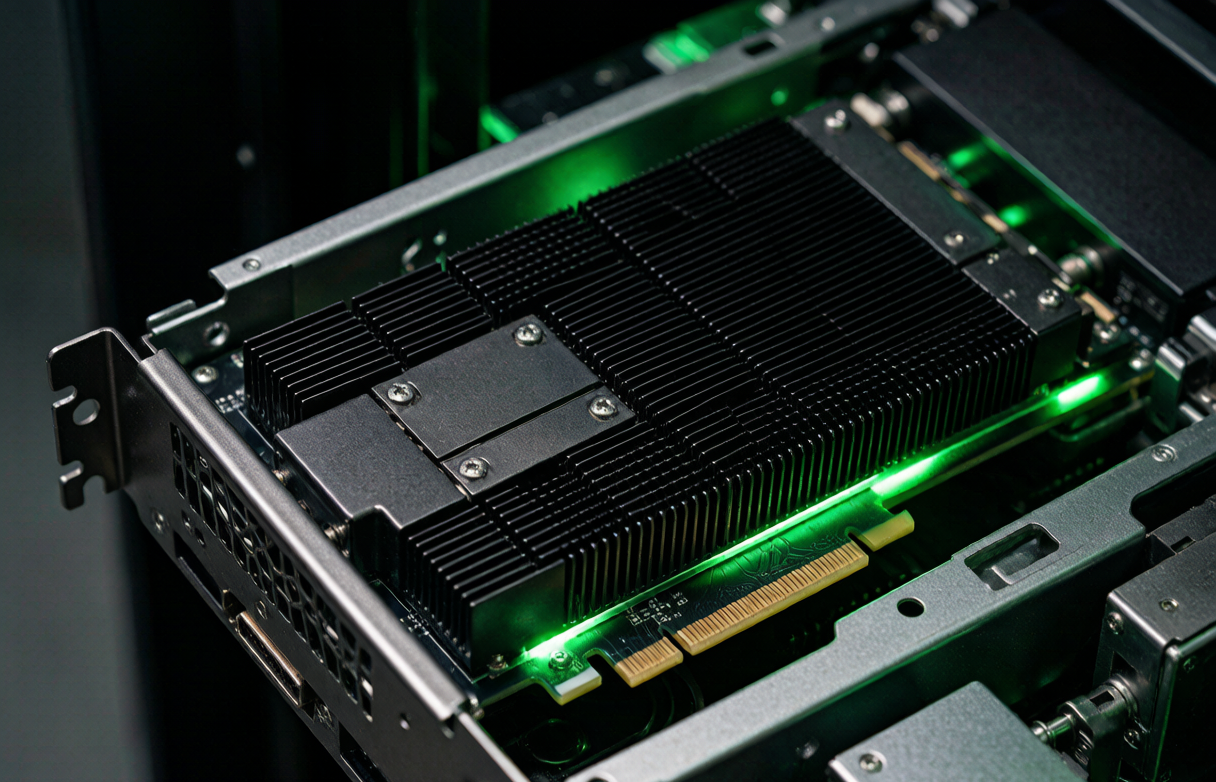
The Medical Imaging Archive Edge Inference Server is Stonbel's next-generation edge computing device for massive imaging data in Grade-A hospital PACS systems. Based on domestic AI acceleration chips, it delivers 22 TOPS INT8 and 11 TFLOPS FP16 performance, with 8GB LPDDR4X memory and 16-channel 1080P video encoding/decoding. Power consumption is only 25W (diskless) and 40W (with disk). Dimensions are 45×235×220mm, operating from -40℃ to 70℃ (diskless) and -40℃ to 60℃ (with disk), deployable in imaging departments
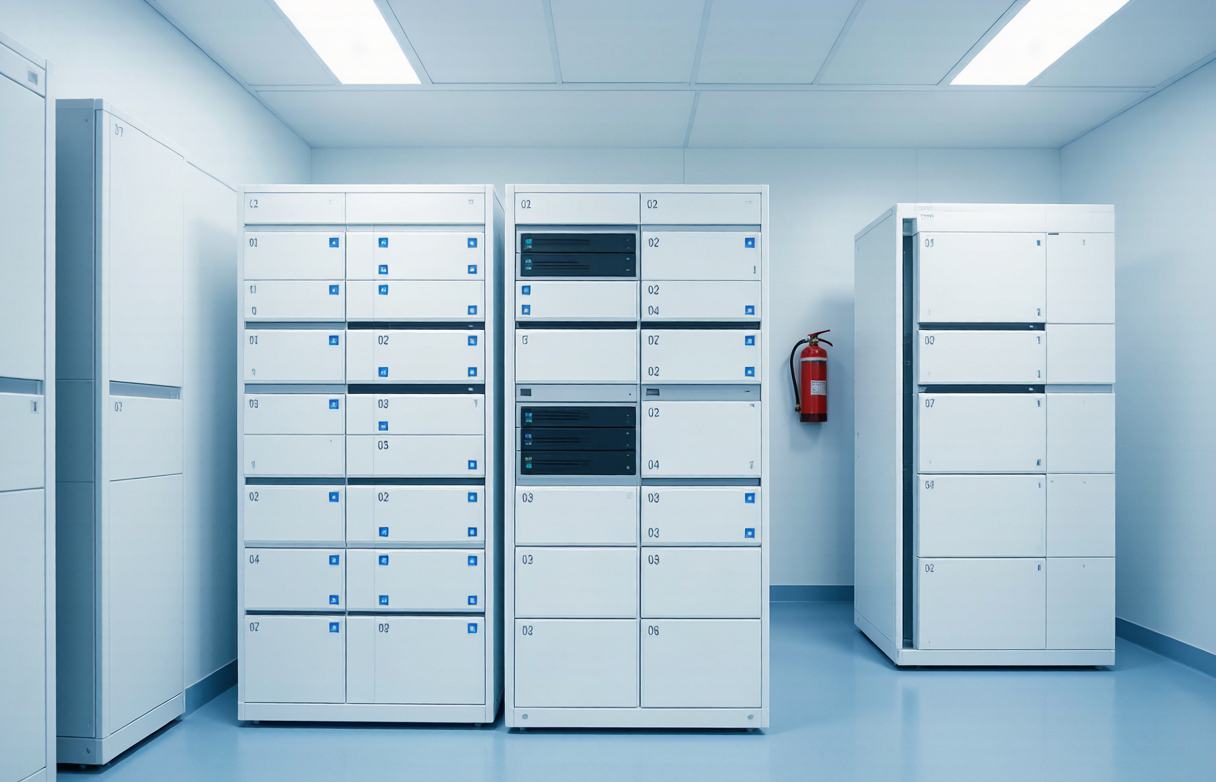
Upgrades: Image Quality, Reliability, Delivery & Cost
Compared to general-purpose GPU edge servers, this device achieves significant upgrades across four dimensions. Image quality: 16-channel 1080P hardware encoding/decoding handles multiple HD imaging streams simultaneously, meeting PACS clarity requirements. Reliability: industrial-grade wide-temperature design and LPDDR4X memory ensure stable 7×24 operation in environments with unstable cooling. In a State Grid provincial dispatch center project, Stonbel's integrated solution (industrial wide-temp SSD, DDR5 ECC memory, edge inference server) ran stably at -10℃~55℃, cutting annual failure rate below 0.5% and fault response time from 20 to 4 minutes, validating reliability under harsh conditions.
Optimization & Value: Integrated Service & Tiered Storage
Stonbel provides end-to-end service from hardware selection and compatibility testing to after-sales support, reducing project preparation time by over 30%. The device supports object and distributed file storage, paired with Blu-ray archival tiering to cut image retrieval time from minutes to seconds and storage costs by 40%. Intelligent data tiering automatically places hot data on NVMe, warm data on SSD, and cold data on low-cost media, reducing overall storage costs by over 30% while maintaining low latency. Multi-replica and erasure coding (2/3 replicas, EC) ensure zero data loss and uninterrupted service during disk, node,
Selection Guide: Scenario-Based Matching
When selecting, prioritize imaging data volume, concurrent retrieval peaks, and edge deployment environment. For hospitals with existing PACS needing edge inference and archiving, the 22 TOPS and 16-channel codec cover most scenarios; for larger scales, consider cascading multiple units or adding distributed storage nodes. Pay attention to power and cooling: diskless versions suit space-constrained rooms, while disk versions fit local caching needs. In an aerospace research institute simulation data project, Stonbel's small-file-optimized distributed storage, high-bandwidth IB/RoCE networking, and automated
Q1: What is the construction cost of the Medical Imaging Archive Edge Inference Server?
A: Cost depends on compute configuration, storage capacity, and deployment scale. For Stonbel's device (22 TOPS INT8, 8GB memory, 25W power), hardware procurement costs are about 18% lower than general-purpose GPU servers. Specific pricing depends on storage media (NVMe or Blu-ray archiving), node count, and optional private cloud platforms. For hundreds of TB with Blu-ray tiering, storage costs drop by 40%. Small hospitals can choose the 4GB version (16 TOPS INT8) to reduce initial investment; large Grade-A hospitals may prefer
Q2: What key factors affect the quotation?
A: Key factors include: compute level (22 vs 16 TOPS), memory (8GB vs 4GB), disk configuration (25W diskless vs 40W with disk), operating temperature range (-40~70℃ vs -40~60℃), and optional software (intelligent tiering, multi-replica disaster recovery). Domestic adaptation requirements (e.g., compatible CPUs/OS) may add integration costs, but Stonbel's integrated solution reduces coordination overhead. For Level 3 MLPS compliance, data encryption and audit features add software licensing fees; deep PACS integration may require interface development. Storage capacity is another variable: Blu-ray tiering
Q3: What advantages does it have over general-purpose GPU servers?
A: Power consumption is only 25~40W versus hundreds of watts for GPU servers, with higher compute density and domestic AI chips for compliance. Its 16-channel 1080P codec efficiently processes CT/MRI streams, while GPU servers offer broader ecosystems but higher power and localization costs. In a western oilfield project, Stonbel's industrial AI boxes and edge servers operated at -35℃~60℃, cutting monthly failure rates from 15% to below 2%, reducing video backhaul bandwidth costs by 65%, and saving
Q4: How does it ensure data security and compliance?
A: The device supports data encryption and access auditing, meeting MLPS 2.0 requirements. Stonbel's solution includes multi-replica and erasure coding for zero data loss on single-point failures, plus domestic CPU/OS compatibility for compliance. For medical imaging, object storage with Blu-ray archiving enables hot/cold tiering for reliable long-term retention. Compliance levels depend on configuration, but Stonbel holds 3C, CE, FCC, ISO14001, ISO9001, ROHS, military, and classified
Edge inference servers for medical image archiving are transforming PACS construction in top-tier hospitals. Stonbel's 22 TOPS computing power, 16-channel encoding/decoding, and industrial-grade wide-temperature design reduce power consumption and costs while compressing retrieval time to seconds. With integrated delivery and a service network across 31 provinces, we help clients shorten project cycles and meet compliance requirements. As image data continues to grow, the integration of edge inference and tiered storage will become a mainstream choice in medical informatization. Stonbel remains committed to the medical industry, providing industrial-grade storage, GPU/edge AI computing infrastructure, and cloud-edge integrated solutions to support intelligent upgrades for more healthcare institutions.