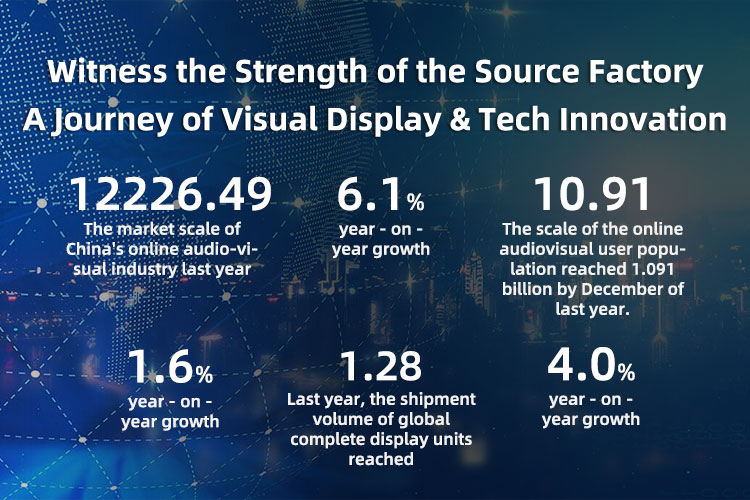
In today's broadcasting industry, UHD video and AI are driving media asset libraries to become big data hubs. The explosion of 4K/8K content and AI-assisted editing demand exceptional storage performance. Stonbel, a leading LED/LCD display manufacturer, combines its storage and AI expertise to offer a distributed storage and GPU compute architecture built around industrial NVMe drives, providing a robust foundation for intelligent media workflows. This article explores certification, product lineup, technical solutions, and customer value.
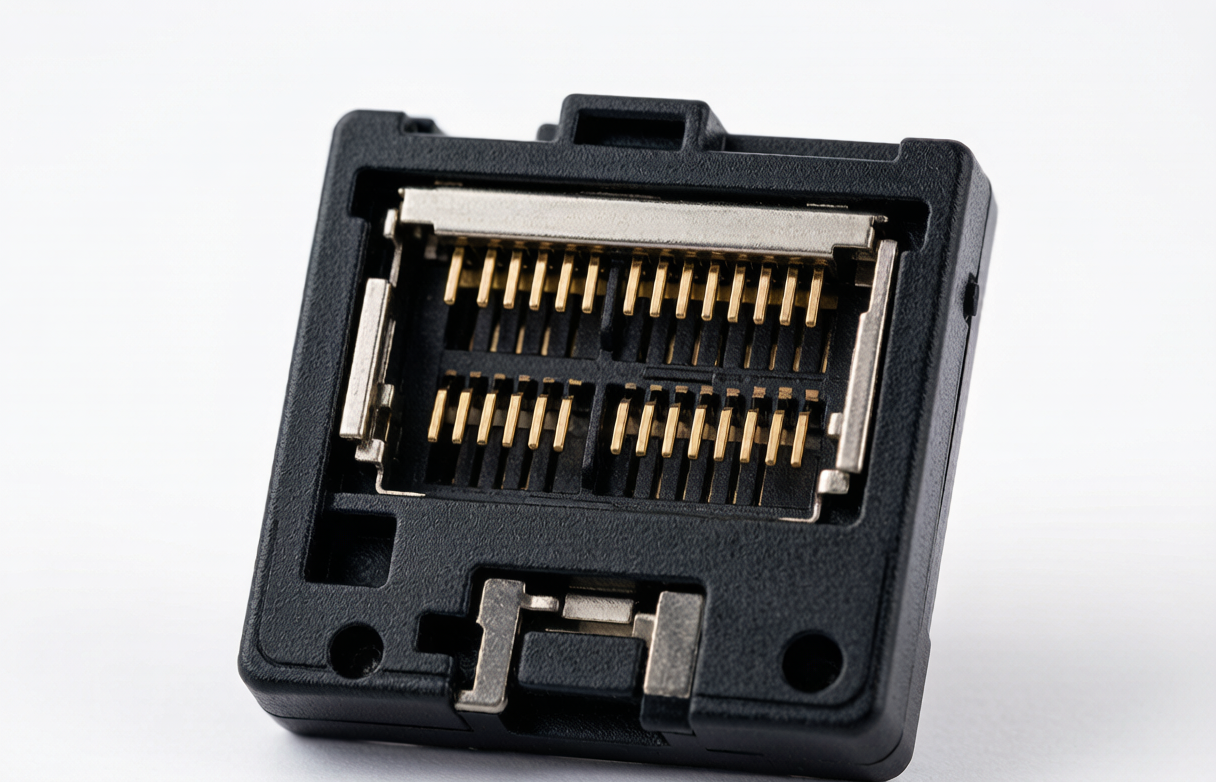
Certifications: From Compliance to Quality Commitment
Stonbel's broadcast media asset industrial NVMe drives are manufactured and serviced under multiple international and domestic certifications, including 3C, CE, FCC, ISO14001, ISO9001, and ROHS, and meet high standards for military and classified applications. These certifications validate product quality and represent Stonbel's commitment, as an original manufacturer, to compliance and supply chain security for government and enterprise clients. In the broadcast industry, data security and system stability are critical; these certifications ensure full-chain control from production to service. The standards are not just compliance labels but hard requirements
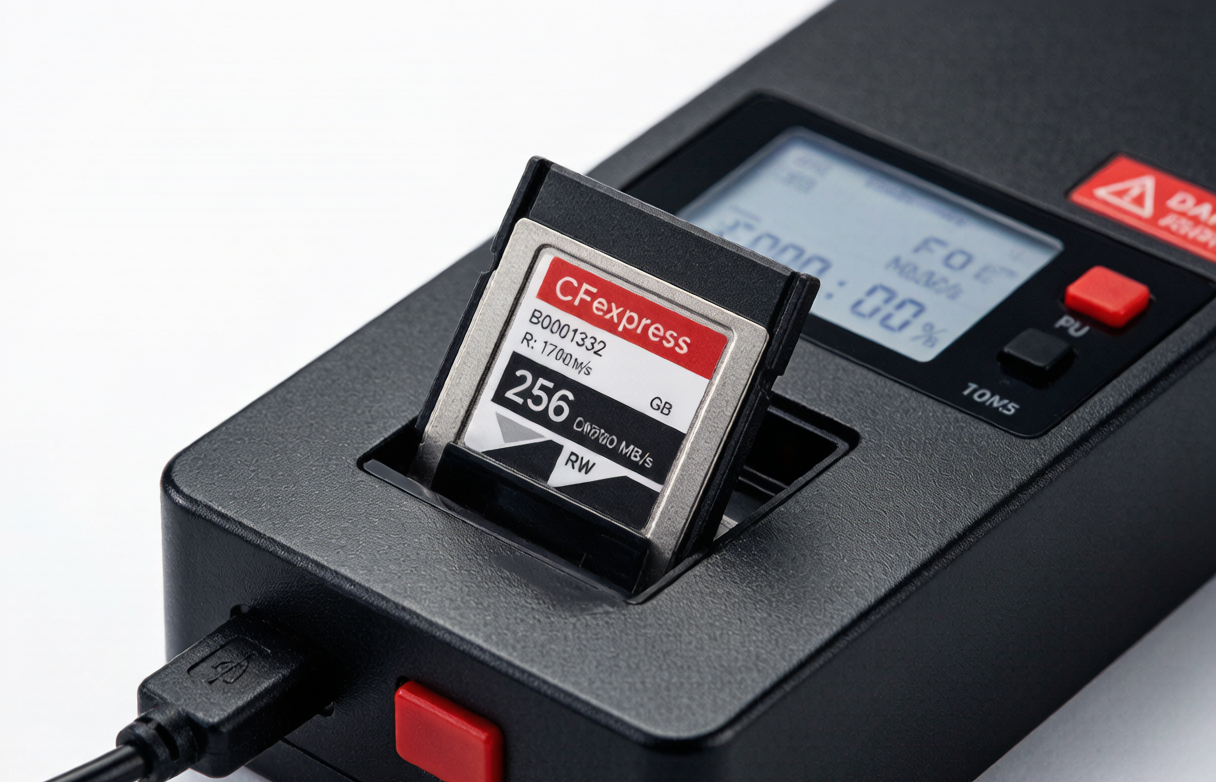
Product Portfolio: Full-Scenario Industrial NVMe Drive Family
Addressing diverse broadcast media asset needs, Stonbel's industrial NVMe drive line covers M.2 2230 to 2280 form factors, capacities from 256GB to 4TB, with TLC and SLC options. PCIe Gen3x4 models offer sequential read speeds up to 2400 MB/s and TBW up to 5200 TB (TLC) or 24000 TB (SLC), ideal for hot data caching. PCIe Gen4x4 models deliver up to 7100 MB/s sequential read, with Power Loss Protection (PLP), anti-sulfuration G3, OCP/OVP protection, and RAID functionality, meeting core storage pool demands for performance and data security. All models support a -40℃ to 85℃ operating range for broadcast rooms and
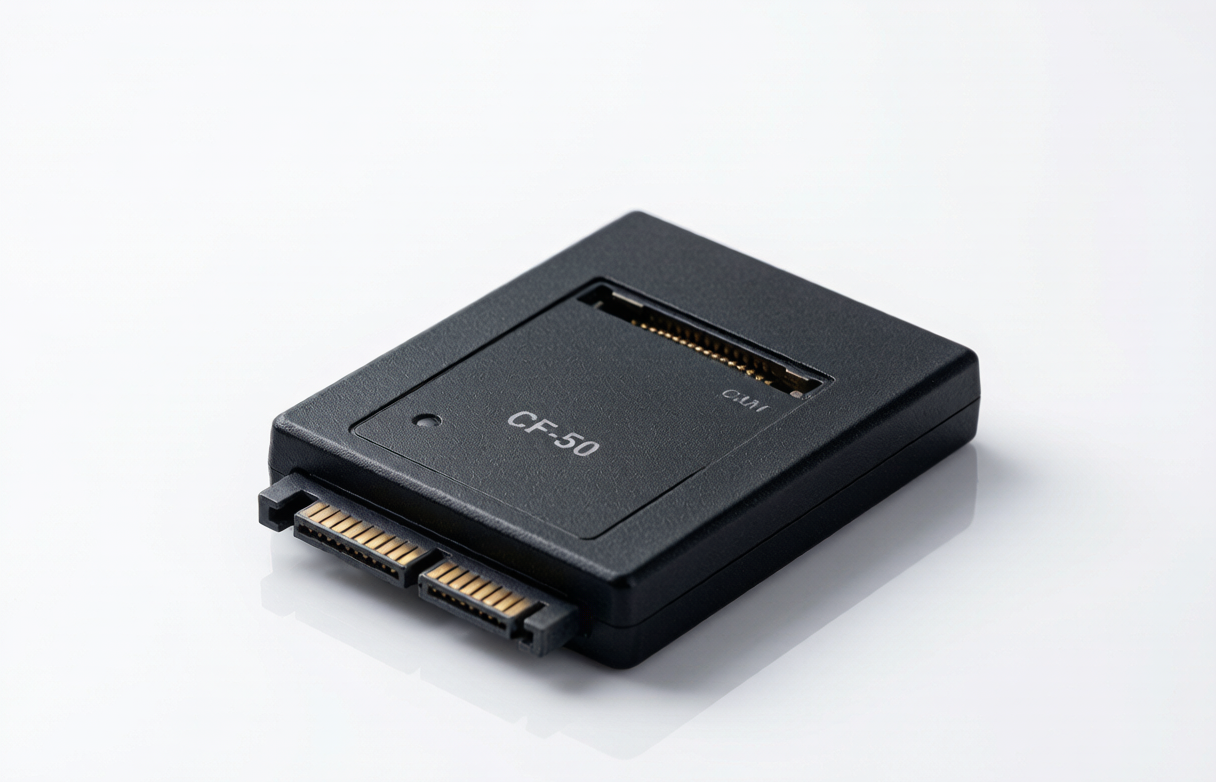
Technical Solution: Deep Integration of GPU and Distributed Storage
Intelligent broadcast media asset upgrades require both high-performance storage and GPU compute. Stonbel's converged architecture uses industrial NVMe drives as an acceleration layer for distributed storage, interconnected with GPU nodes via high-speed networks, forming an integrated storage-compute-application platform. In AI-assisted editing, GPU nodes frequently read video for inference; NVMe's low latency reduces data loading to milliseconds, boosting 4K smart tagging efficiency. For intelligent retrieval, distributed storage's replication and erasure coding ensure high availability, while the NVMe cache enables fast comparison of massive feature vectors, cutting response times from seconds to hundreds of milliseconds. The solution supports
Customer Value: From Cost Efficiency to Business Innovation
Adopting Stonbel's broadcast media asset industrial NVMe drives provides not just high-performance hardware but a reliable, cost-effective storage infrastructure. Sequential read speeds are several times faster than SATA SSDs, reducing data processing latency by over 60% in high-speed acquisition, significantly boosting production and broadcast efficiency. Industrial features like PLP, end-to-end ECC, 1500G shock resistance, and 20G vibration resistance ensure data integrity and stability in 7×24 environments, minimizing unplanned downtime. As an original manufacturer, Stonbel offers direct supply and after-sales support with service points in 31 provinces, shortening project preparation by over 30%
Q1: What advantages do broadcast media asset industrial NVMe drives have over SATA SSDs?
A: Broadcast media asset industrial NVMe drives use the PCIe bus and NVMe protocol, achieving sequential read speeds up to 7100 MB/s (Gen4x4), while SATA SSDs typically reach only about 550 MB/s—a performance gap of over 12 times. NVMe drives offer lower latency, often in microseconds, ideal for 4K/8K video editing and high-speed data acquisition. For example, in multi-track 4K real-time editing, NVMe drives support concurrent read/write of dozens of HD streams, whereas SATA SSDs may stutter or drop frames. NVMe also supports deeper command queues (64K queues, 64K commands each), improving multi-tasking efficiency. SATA SSDs are cheaper but performance-limited, better suited for cold storage or low-load applications. For broadcast media asset libraries requiring real-time performance, NVMe is the superior choice.
Q2: How do broadcast media asset industrial NVMe drives ensure data security?
A: The drives build multi-layered data security from hardware and firmware. Hardware includes Power Loss Protection (PLP) using tantalum capacitors to flush cached data to flash during unexpected power loss, preventing data loss; end-to-end ECC detects and corrects transmission errors; some models support RAID for extra redundancy. Firmware supports static and dynamic wear leveling to extend flash life, and SLC Cache for burst write performance. Operating range is -40℃ to 85℃, with 1500G shock and 20G@7-2000Hz vibration resistance for harsh environments like outdoor acquisition and
Q3: What capacities and form factors are available for broadcast media asset industrial NVMe drives?
A: The product line covers M.2 2230 and 2280 form factors, with capacities from 256GB to 4TB. PCIe Gen3x4 models offer 256GB, 512GB, 1TB, and 2TB options, with 2400 MB/s sequential read, 1950 MB/s write, and TBW up to 5200 TB (TLC) or 24000 TB (SLC). PCIe Gen4x4 models offer 512GB, 1TB, 2TB, and 4TB options, with 7100 MB/s read, 6400 MB/s write, TBW up to 4800 TB, and 3000 P/E cycles. Additional options include PCIe 3.0x4/NVMe 1.4 models (1TB-4TB) and PCIe Gen3x4/NVMe 1.3 models (480GB). Clients can select based on storage tiering: Gen4x4 for hot data, Gen3x4 high-capacity for warm data, and intelligent archiving for cold data. Stonbel supports custom firmware and configuration for seamless integration.
Q4: Are broadcast media asset industrial NVMe drives suitable as a cache layer for distributed storage?
A: Yes. These drives offer high sequential read/write speeds and low latency, making them ideal as a hot data cache layer in distributed storage systems to accelerate frequently accessed media assets. High TBW values (up to 5200 TB) ensure longevity under sustained high write loads, even with continuous 4K/8K writes. Stonbel's intelligent data tiering automatically places hot data on NVMe, warm data on SSD, and cold data on low-cost media, reducing storage costs by over 30%. In deployment, the NVMe cache layer reduces read latency for hot programs to microseconds, significantly improving editing and playback efficiency. Additionally, PLP ensures data safety even
The intelligent transformation of broadcast media asset libraries relies on high-performance storage and powerful compute. Stonbel's architecture, centered on industrial NVMe drives with GPU compute and distributed storage, delivers an integrated solution from hardware to deployment and maintenance. Our industrial-grade quality and manufacturer-direct service help customers tackle UHD data challenges, ensuring stable, efficient, and secure support for 4K/8K production, AI editing, and multi-screen distribution. Stonbel remains committed to advancing broadcast technology for a smarter media future.