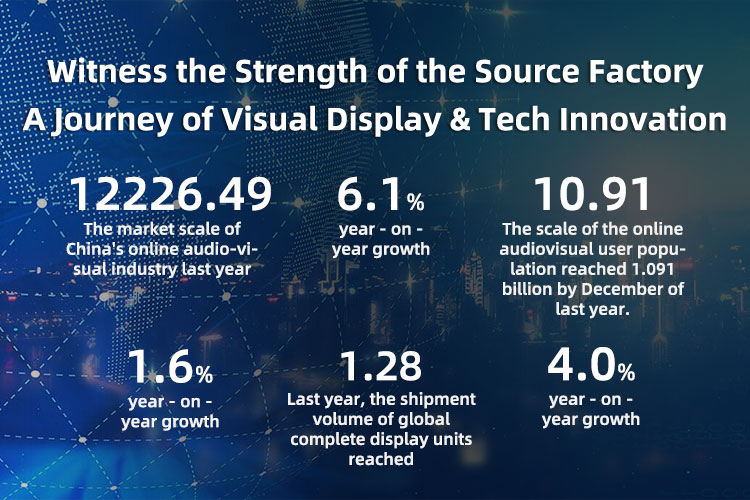
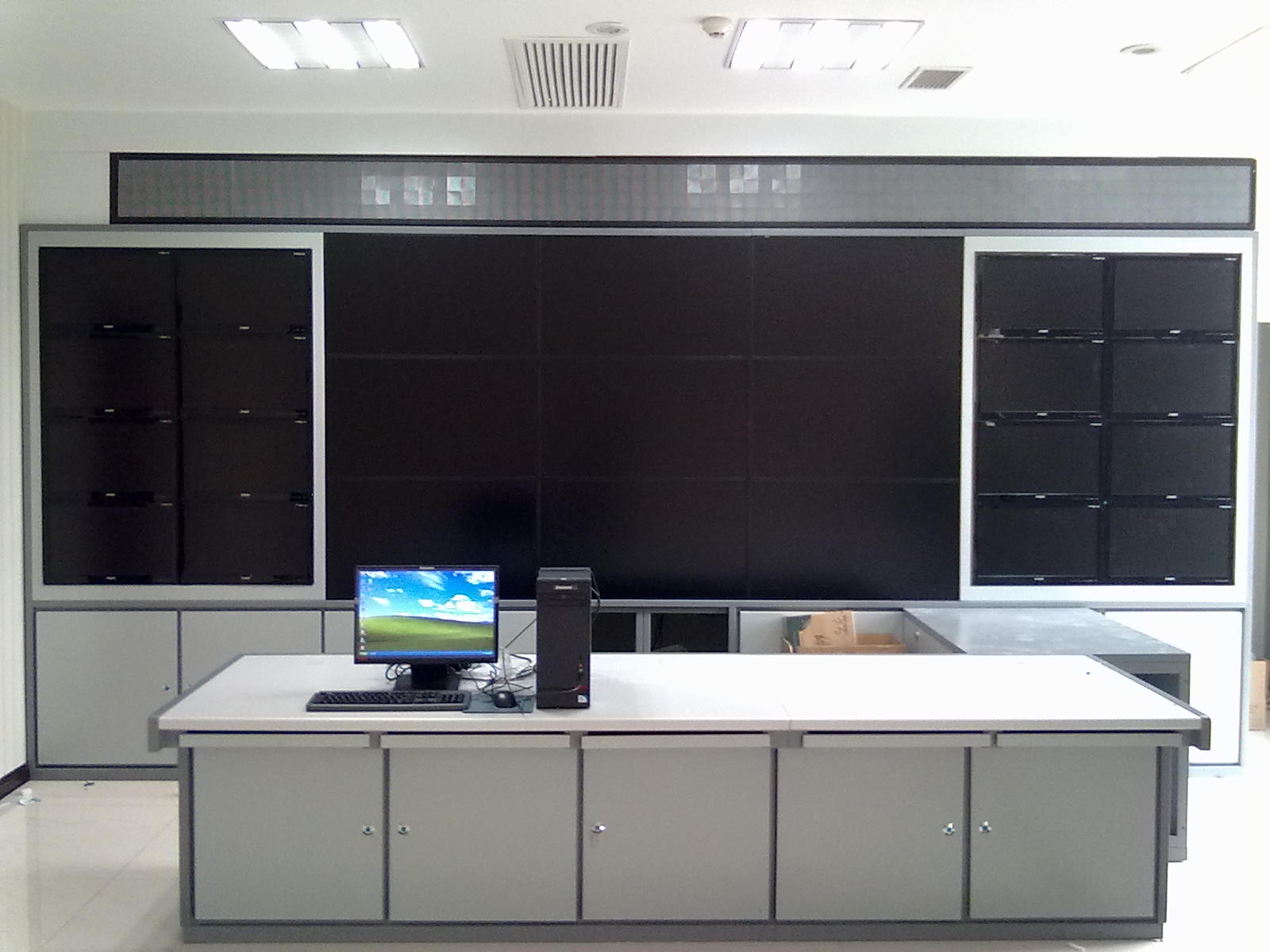
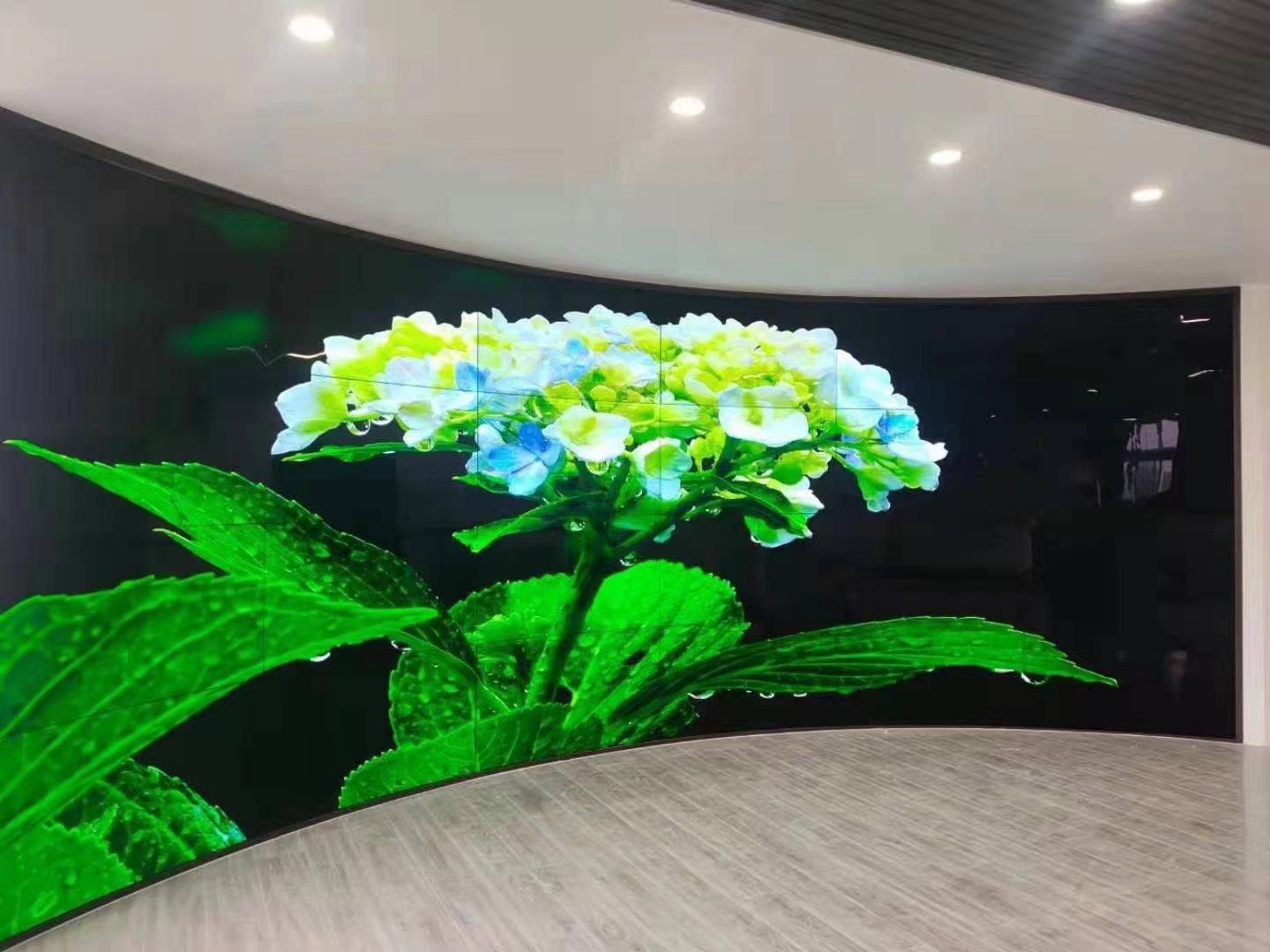
As the operational core for power, oil, and gas infrastructure, energy center dispatch halls demand display systems with exceptional stability, clarity, and response speed. LCD video walls—with ultra-HD quality, 7×24 continuous operation, and flexible configurations—have become the mainstream choice for energy visualization. Installation and pre-cabling directly determine long-term reliability. Drawing on Stonbel's project experience, this article provides a practical technical guide covering design specifications, construction details, and commissioning for contractors and end users. As a certified manufacturer with 3C, CE, and FCC approvals, Stonbel ensures project delivery through service networks across 31 provinces.
Core Information Overview
For critical infrastructure like energy centers, redundant design in display systems is essential. Stonbel's multi-screen controller cluster solutions support signal source hot backup and automatic failover, ensuring single-point failures do not affect overall display. During installation, we recommend a dedicated UPS power circuit for the video wall, along with surge protectors. Reserve at least 20% spare conduit capacity during cabling for future expansion. These details, though not visible,
Official Q&A Insights
Addressing common questions on LCD video wall installation in energy centers, Stonbel's technical team draws on real project experience, such as the Chengdu Tianfu International Airport Cargo Area Monitoring Center. These insights cover the full process from planning to maintenance, helping project teams avoid common pitfalls and maximize ROI. Installation quality directly affects display performance and lifespan, so every step must follow industry standards and manufacturer guidelines. The following Q&As are based on Stonbel's actual project practices and product specifications.
Applicable Clients & Scenarios
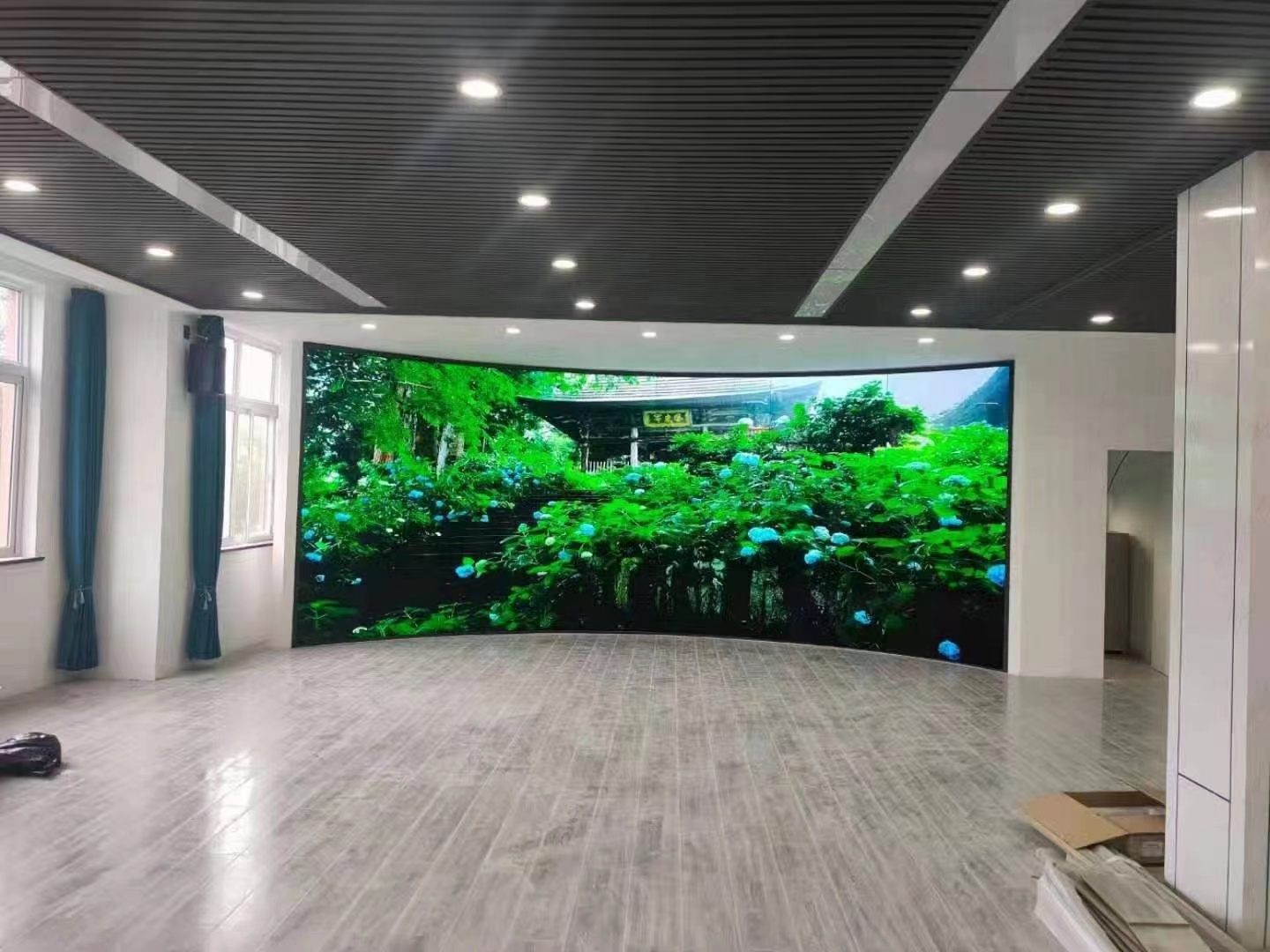
In energy centers, ambient lighting is often complex, mixing natural light with numerous instrument indicators. Stonbel recommends LCD video walls with brightness of at least 500 cd/m², paired with anti-glare tempered glass. Installation height and angle should be adjusted based on control room seating layouts for optimal visibility. Given frequent explosion-proof requirements, all cabling must use flame-retardant materials with sealed connectors. Stonbel's LCD panels meet ROHS and FCC certifications, aligning with the energy industry's safety and environmental standards. For 7×24 operations, optional redundant power modules ensure uninterrupted performance.
Access & Contact
Stonbel's LCD video walls for energy centers have been deployed in multiple provincial energy groups and large-scale infrastructure projects, building extensive industry expertise. We uphold military-grade quality standards in every project, driven by the energy sector's demand for safety and reliability. For detailed product brochures or case study whitepapers, follow Stonbel's official WeChat account and reply "Energy Center" to download. We also welcome industry partners to discuss collaboration and advance energy display technology together.
Q1: What preparations are needed before installing an LCD video wall in an energy center?
A: Pre-installation steps include on-site surveys to verify wall load capacity, ambient temperature, humidity, and lighting conditions. Plan the video wall size, mounting method (wall-mounted, rack, or recessed), and service access based on project drawings. Design cable routes with separate paths for video, control, and power cables, plus spare conduits. Stonbel recommends signal source compatibility testing before installation to ensure the multi-screen controller works with all devices. Use anti-static flooring or insulation pads to prevent static interference. Only after these preparations should screen installation proceed.
Q2: What are the key cabling points for an LCD video wall in an energy center?
A: Cabling is critical to system stability. First, separate high-voltage and low-voltage cables by at least 30 cm to avoid electromagnetic interference. Use high-quality shielded video cables, keeping runs under 20 meters; add signal amplifiers for longer distances. Use RS485 or network cables for control lines with proper grounding. Label both ends of all cables clearly for maintenance. Stonbel recommends reserving 20% spare conduit capacity and installing surge protectors against lightning damage. For energy centers, use flame-retardant cables to ensure fire safety.
Q3: How can long-term reliability be ensured for an LCD video wall in an energy center?
A: Stonbel's LCD video walls use industrial-grade panels supporting 7×24 continuous operation with a lifespan exceeding 100,000 hours. Configure redundant power modules and signal hot backup to prevent single-point failures. Regularly clean screens and cooling fans to maintain ventilation. Stonbel provides 7×24 operational support with service points across 31 provinces for rapid on-site response. The multi-screen controller also supports remote monitoring and logging, enabling proactive issue detection.
Q4: What special environmental requirements apply to LCD video walls in energy centers?
A: Energy centers may have high temperature, humidity, or dust levels, so choose panels with protection rating of at least IP65 and install industrial-grade air conditioning or fresh air systems to maintain suitable conditions. Avoid direct sunlight on screens to prevent glare. For explosion-proof areas, all electrical components must meet explosion-proof standards with sealed cable connectors. Stonbel's LCD panels are ROHS-certified and environmentally safe for indoor use. Custom coatings or heating modules are available for special conditions.
Q5: How long does installation typically take for an LCD video wall in an energy center?
A: Installation time depends on project scale and complexity. For a common 3×3 video wall (9 screens), Stonbel's team typically completes installation and commissioning within 5-7 working days. Larger projects, like the Chengdu Tianfu International Airport Cargo Area Monitoring Center with over 200 terminals, take about 3-4 weeks, including survey, conduit laying, screen mounting, system integration, and testing. Stonbel's professional team can work in parallel to shorten timelines. Exact schedules depend on site conditions, so plan ahead with sufficient installation windows.
Q6: What should be considered for post-installation maintenance of an LCD video wall in an energy center?
A: Regularly check brightness uniformity, color consistency, and signal connections. Clean screens quarterly with specialized lint-free cloths and cleaners to avoid scratches. Inspect cooling fans and remove dust. Stonbel offers remote diagnostics to monitor equipment status in real time and provide early fault alerts. Stock critical spare parts like power modules and signal boards for quick replacement. All maintenance must be performed by trained personnel, avoiding live work. Stonbel provides a 3-year warranty with optional extended service plans.
LCD video wall installation in energy centers is a highly specialized系统工程 involving structural, electrical, signal, and environmental disciplines. Stonbel has developed mature construction standards through large-scale projects, ensuring every step meets industry and safety requirements. We prioritize reliability from cabling to ongoing maintenance. Choosing Stonbel means factory-direct quality assurance, service coverage across 31 provinces, and military-grade quality control. Whether new construction or upgrades, we are ready to build efficient, stable energy visualization platforms together.